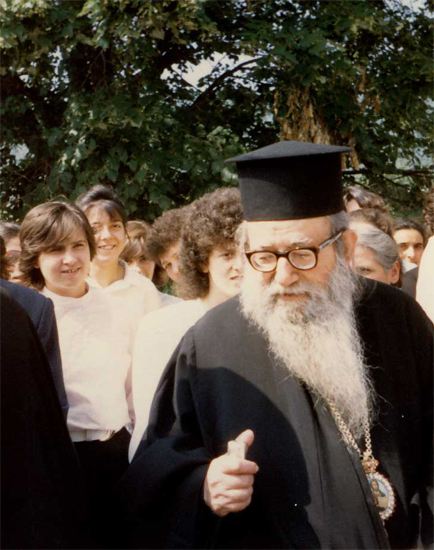
Αυγουστίνος Καντιώτης


Archive for Ιουλίου, 2010

WHAT IS PAPISM?

author Posted by: episkopos on date Ιουλ 31st, 2010 | filed Filed under: English

WHAT IS PAPISM?

(TI EINAI ΠΑΠΙΣΜΟΣ)

ΟΡΘΟΔΟΞΙΑ istWithout reservation we say that papism is a toppling of the fundamental laws of the Church, of genuine Christianity. And behold why.

According to Scriptures, the root, head, and foundation upon which the entire Christian edifice is supported is the God-man Redeemer, our Lord Jesus Christ. He is the Alpha and the Omega of our faith, of our hope and of our love. He is the Leader. The voice of the Father heard twice from heaven, at the Jordan river and on Mount Tabor, established Him as eternal Leader in the Church: “This is my beloved Son, in whom I am well decided; listen to him” (Matt. 3:17; 17:5). The faith in Christ, the active faith, which is exhibited through absolute obedience to his commandments, even the least of them, is a fundamental law of the Church. Without this faith the Church can not be conceived.

Moreover, a fundamental law in the Church, which the God-man Lord established, is: as often and whenever among the faithful there appear serious disagreements concerning things of the faith, things that need to be done, worship matters – these differences are not solved by one only member of the Church, however official is his position, holiness and wisdom might be; but these matters are solved by the collective whole, by the Church, coming together and convening in holy Spirit (Matt. 18:17). According to this manner, that argument concerning circumcision, which shook up the apostolic Church, was solved, during which both Peter and Paul and the rest of the apostles and disciples spoke and developed their views on the subject; but when the decision was made, all subjected themselves to the voice of the Church (Acts 15:6-29). No one of them set his own authority above the authority of the Church. The infallible criterion in the Church, even when the chiefs of the apostles were living, was the Synod (Council).

But both of these fundamental laws, which pertain to the administration of the Church, papism overturned. In the Church the leader is the pope. In the Church the pope possesses infallibility. In the Church the pope is everything. Being driven by the demon of luciferian pride the pope usurped all the authorities, set his throne above the clouds, opened his mouth and, as another Nebucadnezzer, said: Nations and peoples, do you see me? Fall down and worship, pay homage to me. “By divine right” I am above lay people, monastics, deacons, priests, bishops, metropolitans, archbishops, patriarchs, regional and even those ecumenical Synods. When I am found on my seat and speak, I speak in holy Spirit and my decisions are infallible. I am the one and only, unique referee of Christ upon the earth. The soldiers who are faithful to me preach to the whole world the motto:

“Just as one God exists, one sun for the day, one moon for the night, in like manner God gave to the Church only one leader, the pope.” But not only ecclesiastical, but also political leaders obligated to obey me in all things. The two swords in the Gospel (Luke 22:38) symbolize the spiritual and worldly authority, and I must hold and use these two swords. Every authority comes from me. Woe unto the one who set himself against my volitions…

The pope, being clad with such ideas, established in the world a tyranny, a tyranny in the name of the Crucified One, whom he would say, that he and only he would represent upon the earth. And this tyranny ended up being unbearable, especially when upon the papal throne there sat individuals, who had no internal relation with the Christian faith and life. Popes thieves and robbers, making unrestrained use of power, brought huge corruption to the flocks of the West. The people murmured. The godly would sigh. Courageous preachers of the divine word, who dared to protest against the antichristian live and conduct of the popes, were apprehended and burnt alive, as the famous Jerome Savonarola (1452-1498), whose statue adorns today one of the squares of Florentia. Rome, with the corrupt and unfaithful popes, who abolished every evangelical virtue, would appear already in the eyes of the peoples of the West as the whore of the seas, as the new Babylon. Finally the volcano of the wrath of the peoples erupted. In 1520 a revolution was preached and the strong struggle against the papists began. At the head of the struggle was Martin Luther, concerning whom Thomas Carlyle writes, that Luther took the ax of truth and with the surge of a hero attacked and crushed the idol of papism. The struggle lasted many decades. The civil war was raging. Blossoming cities were transformed into smoking ruins. The blood ran like a river. And the cause, the most serious of all, of that big disaster, which struck Europe, was the foolish, the antichristian ambition of the pope, so that all might fall down and embrace the edge of his foot and recognize him as the only leader of the Church upon the earth.

The popes, if they had even an ounce of real godliness or true piety, would be ashamed in projecting such foolish and antichristian ambitions, and, the worst of all, struggling for the enforcement of them upon the totality of Christianity. He who studies the history of this period oftentimes remembers J. Chrysostom, who, lamenting on account of the bad situations of the ecclesiastical divisions would preach, that the chiefest cause of them is the controlling-spirit, philarchia.

“Nothing is capable of dividing the Church thusly as the controlling-spirit, nothing thus kindles the wrath of God as the dividing of the Church” (See 11th homily on his commentary on the epistle to the Ephesians: P.G 62.85).

+ Archimandrite Augustinos Kantiotes, 1956

DOUĂ SUTE DE ANI DE SOMN!

author Posted by: episkopos on date Ιουλ 30th, 2010 | filed Filed under: Român (ROYMANIKA)

PREDICA MITROPOLITULUI AUGUSTIN DE FLORINA LA
POMENIREA SFINŢILOR ŞAPTE TINERI DIN EFES


4 AUGUST

DOUĂ SUTE DE ANI DE SOMN!

În predica anterioară, iubiţii mei creştini, am vorbit despre cei şapte tineri, de Macabei. Aici vom vorbi iarăşi despre şapte tineri, care au trăit o viaţă sfântă. Sunt cei şapte tineri din Efes. Pe 4 august este pomenirea lor. Despre ei vom vorbi. Pentru că este o privelişte frumoasă să-i vezi pe tineri că-L iubesc pe Dumnezeu, că împlinesc poruncile Lui şi că sunt gata să jertfească toate pentru credinţă. Aceşti tineri, oricât de puţini ar rămâne în timpurile de necredinţă şi de stricăciune, sunt un viu protest împotriva celorlalţi tineri, care rămân departe de Dumnezeu, se târăsc în patimile ruşinoase şi trăiesc o viaţă dobitocească. Tineri, care citiţi în ceasul acesta această carte, luaţi aminte la predica aceasta, care are ca temă pe cei şapte tineri.

Istoria acestor tineri este foarte emoţionantă, dar şi foarte curioasă. Poate că unii nu vor vrea să creadă cele scrise de sinaxarul lor. Dar cele care par cu neputinţă şi de neizbutit, pentru cel care crede în Dumnezeu nu există nici o dificultate să le accepte. Pentru că Dumnezeu este atotputernic şi poate să facă nu doar cele pe care le scrie viaţa acestor şapte tineri, ci şi altele chiar mai mari şi mai minunate.

***

Aşadar, aceşti şapte tineri s-au născut în Asia Mică într-o cetate mare – Efes. S-au născut şi au trăit într-o epocă foarte dură pentru creştinătate. Atunci, era împărat unul din cei mai groaznici prigonitori ai creştinismului – Deciu (250 d.Hr). Acesta a declanşat prigoana împotriva creştinilor. Unii se lepădau de Hristos şi scăpau. Alţii însă rămâneau credincioşi lui Hristos şi vroiau să suporte orice numai să nu se lepede de Hristos. Unii trădători, alţii mucenici. Dar au existat şi unii creştini, care, pentru că se vedeau pe ei înşişi neputincioşi sufleteşte şi se temeau ca nu cumva să fie biruiţi de chinuri şi să se lepede de Hristos, fugeau departe din oraşe, se duceau în munţi, se ascudeau în peşteri şi trăiau o viaţă foarte aspră, grea, o viaţă care era şi aceasta un fel de mucenicie.
Dintre cei care au fugit din marea cetate a Efesului şi au scăpat în munţi au fost şi şapte tineri. Au găsit o peşteră şi obosiţi cum erau au căzut să doarmă. Tiranul îi căuta. Soldaţii pe care i-a trimis, căutându-I, au văzut peştera. Au intrat înăuntru, au găsit şapte tineri, dar tinerii nu dădeau nici un semn de viaţă. Erau morţi. Şi ce să le facă, dacă erau morţi? Să-i ia şi să-i ducă la împărat? O osteneală zadarnică. I-au lăsat deci acolo cum erau şi au astupat uşa peşterii cu pietre.
Acolo înăuntru au rămas cei şapte tineri. Au rămas mulţi ani. Nimeni nu-şi mai aducea aminte de ei. Din ziua în care au intrat în peşteră şi au căzut în somn trecuseră două sute de ani. Deciu şi alţi împăraţi prigonitori muriseră. Prigoanele încetaseră. Creştinii erau de acum liberi. Pe tron era un împărat creştin. Dar în timp ce religia nu mai era în pericol de la duşmanii din afară, de la împăraţii închinători la idoli, au apărut alţi duşmani, care căutau să dărâme Biserica. Erau ereticii, adică cei care nu acceptau toate cele pe care le-a învăţat Hristos şi Biserica, ci alegeau din Evanghelie numai ce voiau, iar pe celelalte le respingeau. Un fel de eretici a apărut în timpul împăratului creştin Teodosie cel Tânăr. Aceştia nu acceptau învierea moţilor. Aceşti eretici reuşiseră să atragă de partea lor multă lume. Atunci, Dumnezeu a făcut o minune foarte mare, ca să le demonstreze că există învierea morţilor. Care este minunea? Un ţăran a cumpărat muntele unde era peştera în care erau ascunşi cei şapte tineri. Deschizând peştera, vede pe cei şapte sculându-se din somnul lor şi i-a auzit discutând şi zicând: Dacă ne-ar prinde astăzi Deciu, nu trebuie să ne fie frică, ci să ne mărturisim credinţa. Şi pentru că nu aveau mâncare, unul din cei şapte s-a hotărât să se ducă jos în cetate, să cumpere mâncare şi să vadă ce se întâmplă cu prigoana.
Iamvlih – acesta era numele lui – a plecat din peşteră. Când a ajuns în Efes, a văzut că multe lucruri se schimbaseră. A văzut Crucea înălţându-se în centrul cetăţii, a văzut biserici, a văzut creştini şi se nedumerea. S-a dus la un cuptor ca să cumpere pâine. Când Iamvlih a scos să plătească, cel de la cuptor, a văzut că monedele pe care i le dădea nu erau monede actuale, ci vechi. Şi la întrebarea care i s-a pus – unde le-ai găsit? -, tânărul a răspuns că aceste monezi sunt în circulaţie şi că nu au trecut multe zile de când cu astfel de monezi şi-a cumpărat mâncare din cetate. Acest cuvânt i s-a părut ciudat brutarului. A început să presupună că tânărul trebuie să fie vreo iscoadă şi a considerat de datoria lui să-l denunţe autorităţilor. Autorităţile l-au arestat pe tânăr şi au făcut o anchetă amănunţită. Tânărul a insistat că este originar din Efes. Iar ca să-i convingă a menţionat numele împăratului şi a altor conducători pe care-i ştia. Autorităţile au deschis matricolele cetăţii şi a văzut că oamenii pe care-i spunea Iamvlih nu erau inexistenţi. Au trăit cu două sute de ani înainte în cetatea Efesului. Atunci au înţeles că s-a întâmplat ceva mare şi minunat. I-au adus la cunoştinţă episcopului cetăţii, care împreună cu preoţii şi alţii s-au dus în peşteră, i-au aflat şi pe ceilalţi şase tineri şi din cele câte le-au auzit de la aceşti şapte tineri au crezut că a avut loc o mare minune. După două sute de ani, Dumnezeu i-a înviat pe aceşti tineri, ca să adauge încă o dovadă că morţii într-o zi vor învia. Da! Vor învia, precum a înviat Hristos. Da! Vor învia, precum au înviat cu puterea lui Dumnezeu şi aceşti şapte tineri.

***

Iubiţii mei! Aceasta este istoria celor şapte tineri din Efes. Din toată această istorie să reţinem drept învăţătură ceea ce spunea şi Sfântul Cosma Etolianul cum că moartea este un somn lung. Somn, care ţine veacuri întregi, dar va veni o clipă în care acest somn se va sfârşi şi morţii vor învia. Vor învia cu aceiaşi uşurinţă cu care cineva care doarme se trezeşte de dimineaţă şi-şi începe lucrul, cu aceiaşi uşurinţă cu care s-au trezit şi cei şapte tineri din Efes, care au adormit în peşteră două sute de ani. Învierea morţilor nu este o poveste, ci este un adevăr pe care îl mărturisim în Simbolul Credinţei, zicând: ”Aştept învierea morţilor şi viaţa veacului ce va să fie”.

(traducere: Frăţia Ortodoxă Misionară
“Sfinţii Trei Noi Ierarhi”, sursa: „Myripnoa anthi”, Atena, 2007)

Η Αντιμετωπισις της Αιρεσεως Οικουμενισμου

author Posted by: episkopos on date Ιουλ 29th, 2010 | filed Filed under: ΜΗΝΥΜ. ΠΑΡΑΛ. ΠΡΟΩΘΟΥΜΕ

MΟΛΙΣ ΚΥΚΛΟΦΟΡΗΣΕ

ΤΟ ΝΕΟ ΒΙΒΛΙΟ ΤΟΥ π. ΕΥΘΥΜΙΟΥ ΤΡΙΚΑΜΗΝΑ

π. Ευθ.Η Αντιμετωπισις της Αιρεσεως του Οικουμενισμου

κατα τον Όσιο Θεοδωρο τον Στουδιττη

Η Διακοπη της Μνημονευσεως

bibl. p. E.Η αίρεσις του Οικουμενισμού ξεκίνησε πριν ενενήντα περίπου χρόνια. Σε όλο αυτό το διάστημα παραδόξως αντί να κατασταλή και καταδικαστή, συνεχώς εξαπλούται, σε σημείο που να έχη αλλοιώσει το φρόνημα και αυτών των συνειδητών Ορθοδόξων. Η εξάπλωσις και μη καταδίκη της αιρέσεως των καιρών μας αποτελεί πρωτάκουστο και πρωτοφανές γεγονός εις την διαχρονική ιστορία της Εκκλησίας. Κάποιες προσπάθειες που κατά καιρούς έγιναν δια την απομάκρυνσι από την αίρεσι, οδήγησαν σε άλλες εκκλησιολογικές εκτροπές και πλάνες, εις τρόπον ώστε και οι θέλοντες σήμερα να απομακρυνθούν από αυτή να προβληματίζωνται όχι δια το από που να φύγουν, αλλά δια το που να πάνε.

Ποία η επίπτωσις της αιρέσεως δια την Εκκλησία.

Ποία η ευθύνη όλων των Ορθοδόξων κληρικών και λαϊκών.

Ποία η σωστή αντιμετώπισις δια την κατάσβεσι της αιρετικής πυρκαϊάς.

Πως δεν θα λοξοδρομήσουμε ούτε προς τα αριστερά (συμμετοχή στην αίρεσι), ούτε προς τα δεξιά (δημιουργία παρατάξεων και σχισμάτων).

Ποίες τέλος οι συνέπειες της ομολογίας εις την εποχή μας.

Όλα αυτά εξετάζονται με βάσι την διδασκαλία και την ζωή του Οσίου Θεοδώρου του Στουδίτου, ο οποίος σε ανάλογες περιστάσεις αιρέσεως, η οποία εξαπλούτο μέσα εις την Εκκλησία, ετήρησε απαράμιλλη στάσι και είναι δια τις ημέρες μας ο απλανής οδηγός μας.

  • ΚΕΝΤΡΙΚΗ ΔΙΑΘΕΣΙΣ
  • ΒΙΒΛΙΟΠΩΛΕΙΟ «ΟΡΘΟΔΟΞΙΑ»
  • 23ης ΟΚΤΩΒΡΙΟΥ 11- ΛΑΡΙΣΑ
  • ΤΗΛ: καί FAX: 2410284449
  • e-mail: vorthodoxia@yahoo.gr

«Ω γενεα απιστος και διεστραμμενη!»

author Posted by: episkopos on date Ιουλ 28th, 2010 | filed Filed under: Român (ROYMANIKA), ΕΥΑΓΓΕΛΙΑ ΚΥΡΙΑΚΗΣ, ΟΜΙΛΙΕΣ (απομαγν.)

Κυριακὴ Ι΄ Ματθαίου (Ματθ. 17,14-23)

«Ω γενεα απιστος και διεστραμμενη!»

«Ὦ γενεὰ ἄπιστος καὶ διεστραμμένη! ἕως πότε ἔσομαι μεθ᾽ ὑμῶν;…» (Ματθ. 17,17)

Ω ΓΕΝ. ΑΠΙΣΤΟΣΑΚΟΥΓΟΝΤΑΣ κάποιος τὰ λόγια αὐτὰ ἴσως πῇ· Τί ἱεροκήρυκας εἶσαι σύ; πῶς μιλᾷς ἔ­τσι; τί θὰ πῇ «γενεὰ ἄπιστος καὶ διεστραμμένη»…; Ἡ­συχάστε, ἀγαπητοί μου. Δὲν τὰ λέω ἐ­γὼ αὐ­τά. Τὰ λέει τὸ σημερινὸ εὐ­αγγέ­λιο. Δὲν τ᾽ ἀκούσατε; Τὰ ἐπαναλαμβάνω· «Ὦ γενεὰ ἄπιστος καὶ διεστραμμένη!…». Ὁ Χριστὸς τὰ λέει αὐτά. Μὰ γιατί ὁμιλεῖ τόσο σκληρά; Ἐμεῖς, θὰ πῆτε, ξέρουμε, ὅτι ὁ Χριστὸς εἶ­νε πρᾶος, ὁμιλεῖ γλυκά· πῶς αὐτὴ τὴ φορὰ τὰ λόγια του εἶνε βροντὴ καὶ ἀστραπὴ καὶ κεραυ­νός;… Μὴ ταράζεσθε. Ὁ ἴδιος ὁ Χριστὸς εἶνε. Κι ὅταν λέῃ τὰ γλυκά του λόγια, ποὺ γλυ­κύτερα δὲν ἀκούστηκαν στὸν κόσμο, κι ὅ­ταν ἐλέγχῃ, καὶ πάλι ὁ ἴδιος εἶνε. Διότι ὁ Χριστὸς εἶνε πατέρας. Τί κάνει ὁ πατέρας ποὺ ἀ­γαπάει τὸ παιδί του; Τὸ συμβουλεύει μιά, τὸ συμβουλεύει δυὸ φορές· ἀλλ’ ὅταν βλέπῃ ὅτι τὸ παιδὶ δὲν ἀκούει, τότε ὑψώνει τὴ φωνή, τὸ μαλώνει καὶ τὸ τιμωρεῖ. Καὶ πρέπει νὰ τὸ τιμω­ρήσῃ. Διότι ὅποιος δὲν ἐλέγχει καὶ δὲν τιμωρεῖ τὸ παιδί του, λέει ἡ Γραφή, δὲν τὸ ἀγα­πᾷ (βλ. Παρ. 13,24). Χρειάζεται ἐπιείκεια, ἀλλὰ σὲ ὡρισμένες περιπτώσεις χρειάζεται καὶ αὐστη­ρό­της. Τὸ ἴδιο κάνει καὶ ὁ γιατρός· ὅταν δῇ ὅτι ἡ ἀσθένεια προχώρησε, χρησιμοποιεῖ μαχαίρι! Ἔτσι καὶ ὁ Χριστός, ποὺ εἶνε ὁ κατ’ ἐ­ξοχὴν ἰατρός, χρησιμοποιεῖ ὀξεῖα γλῶσσα. Για­τὶ ὅταν ὁ ἄνθρωπος διαφθαρῇ ψυχικῶς, τότε χρειάζεται ἔλεγχος. Καὶ ὁ Χριστὸς ἐδῶ ἐλέγχει καὶ λέει «Ὦ γενεὰ ἄπιστος καὶ διεστραμμένη!…».

* * *

Ἂς ἐξετάσουμε, ἀγαπητοί μου, σὲ ποιούς τὰ λέει τὰ λόγια αὐτά;
Τὰ λέει πρῶτα – πρῶτα γιὰ τοὺς Ἰουδαίους. Τί ἦταν οἱ Ἰουδαῖοι; Ὁ περιούσιος λαὸς τῆς παλαιᾶς διαθήκης. Ἐὰν ὑπάρχῃ ἕνας λαὸς ποὺ ἰδιαιτέρως ἀγάπησε ὁ Θεός, αὐτὸς ἦταν ὁ Ἰ­ουδαϊκός. Τὸ πᾶν ἔκανε γι’ αὐτόν. Ἦταν σκλά­βοι τετρακόσα χρόνια κάτω ἀπὸ τὴν τυραννία τῶν φαραώ· ποιός τοὺς ἐλευθέρωσε; Ὁ Θεός. Πῶς τοὺς ἐλευθέρωσε; Διὰ μέσου τοῦ Μωυσέως. Πείνασαν μέσα στὴν ἔρημο· ποιός τοὺς ἔθρεψε; Ὁ Θεός· τοὺς ἔστειλε τροφὴ γλυκύτατη, τὸ μάν­να. Δίψασαν στὴν ἐρημιά· ποιός τοὺς ἐπότισε; Ὁ Θεὸς πάλι· δι­έταξε τὸ Μωυσῆ νὰ χτυπήσῃ μὲ τὸ ῥαβδί του, καὶ μέσα ἀπὸ τὸν ξηρὸ βράχο βγῆκε ποτάμι, Ἁλιάκμων ὁλόκληρος, ποὺ τοὺς δρόσισε. Ποιός τοὺς φώ­τιζε τὴ νύχτα μέσ᾽ στὸ σκοτάδι; Ὁ Θεός. Ποιός τοὺς ἔσωσε ἀπὸ τὰ φίδια τὰ φαρμακερά; Ὁ Θεός. Ὅλα ὁ Θεὸς τὰ ἔκανε. Ἐν τούτοις αὐτοὶ στάθηκαν ἀγνώμονες καὶ ἀχάριστοι. Πρὸ παντὸς ὅμως ἀγνώμονες καὶ ἀχάριστοι φάνηκαν ὅταν ὁ ἴδιος ὁ Θεὸς κα­τέβηκε στὸν κόσμο κ’ ἔγινε ἄνθρωπος, καὶ περπάτησε πάνω στὴ γῆ, κ’ ἔκανε θαύματα, ἀν­αρίθμητα θαύ­ματα, καὶ δίδαξε τὴν ὑπέροχη διδασκαλία του, καὶ θεράπευσε τοὺς ἀρρώ­στους (ἔκανε τυφλοὺς ν’ ἀνοίξουν τὰ μάτια τους, κουφοὺς νὰ ἀκούσουν, παραλύτους νὰ θεραπευθοῦν), ἀ­κόμη καὶ νεκροὺς ἀνέστησε. Τότε οἱ Ἑβραῖοι τί ἔκαναν; Μίσησαν τὸ Χριστό, τὸν βλαστήμη­σαν, τὸν κατεδίωξαν, τὸν σταύρωσαν.
«Ὦ γενεὰ ἄπιστος καὶ διεστραμμένη…». Γι᾽ αὐτοὺς τὰ εἶπε. Ἀλλὰ τὰ λόγια αὐτά, ποὺ εἶ­πε ὁ Χριστὸς γιὰ τὴ γενεὰ ἐκείνη τῶν Ἰουδαίων, ἰσχύουν καὶ γιὰ μᾶς τοὺς Ἕλληνες. Ἰ­σχύουν καὶ γιὰ μᾶς, διότι ὕστερα ἀπὸ τοὺς Ἰ­ουδαίους τὸ Ἑλληνικὸ ἔθνος ἔγινε κατὰ κάποιο τρόπο ὁ δεύτερος περιούσιος λαὸς καὶ εὐεργετήθηκε ἐξαιρετικὰ ἀπὸ τὸ Θεό. Σκλαβωμένοι ἤμεθα κ’ ἐμεῖς τετρακόσα χρόνια στοὺς Τούρκους. Ποιός μᾶς ἐλευθέρωσε; Ὁ Χριστὸς ἐνέπνευσε ἀνδρεία καὶ θάρρος στὰ παιδιὰ τῆς Ἑλλάδος. Μᾶς ἔσωσε ὁ Θεὸς ἀπὸ πολλοὺς κινδύνους. Ἂν ὑπάρχῃ σήμερα Ἑλ­ληνικὸ κράτος καὶ δὲν ἔχουμε σβήσει ἀπὸ τὸ γεωγραφικὸ χάρτη τοῦ κόσμου, ὁ Θεὸς τὸ ἔ­κανε αὐτὸ τὸ θαῦμα. Οἱ ἐχθροί μας (λόγου χά­ριν οἱ Γερμανοὶ τὸν καιρὸ τῆς κατοχῆς) ἔ­λεγαν· Ἂν μπορούσαμε, καὶ τὸν ἀέρα ἀκόμα θὰ ἀφαιρούσαμε, νὰ πεθάνουν ἀπὸ ἀσφυξία οἱ Ἕλληνες, νὰ μὴν ὑπάρχουν πάνω στὴ γῆ… Ὁ Κύριος μᾶς ἔσωσε. Μᾶς ἔσωσε μὲ θαύματα, πολλὰ θαύματα.
Τί ἔπρεπε τώρα νὰ κάνουμε ἐμεῖς; Μέσα στὴν πατρίδα μας δὲν ἔπρεπε νὰ ὑπάρχῃ οὔ­τε ἕνας ἄπιστος. Ὕστερα ἀπὸ τόση διδασκαλία ποὺ ἀκούσαμε, ὕστερα τόσα θαύματα ποὺ εἴδαμε, ὕστερα ἀπὸ τόσα χειροπιαστὰ γεγονότα ποὺ ζήσαμε, ἔπρεπε στὴν Ἑλλάδα νὰ μὴ βρίσκεται οὔτε ἕνας ἄθεος. Καὶ ὅμως δὲν ἔ­μεινε πιὰ οὔτε ἕνα χωριὸ καθαρὸ ἀπὸ τὰ ζι­ζάνια τῆς ἀπιστίας. Ὡρισμένοι μᾶς τὸ λένε ἀπεριφράστως· Ἄστε τα αὐτά, παπᾶδες καὶ δεσποτάδες· αὐτὰ εἶνε παραμύθια τῆς Χαλι­μᾶς… Στὰ σχολεῖα μας διδάσκαλοι καὶ καθηγηταὶ δὲν πιστεύουν, καὶ πολλοὶ ἄλλοι θεωρούμενοι μεγάλοι στὴν κοινωνία δὲν πιστεύουν. Ἀπιστία μεγάλη παρατηρεῖται σὲ μία κατ’ ἐξοχὴν ὀρθόδοξη χριστιανικὴ χώρα, ποὺ τὰ παιδιά της εἶνε ἀπόγονοι εὐλαβῶν καὶ ἁγίων προγόνων. Ἐκεῖνοι ἄκουγαν τὸ ὄνομα τοῦ Θεοῦ στὸν Πόντο καὶ στὴ Μικρὰ Ἀσία καὶ κλαίγανε. Πῶς μετεβλήθησαν, πῶς ἄλλαξαν τὰ παιδιὰ αὐτά; πῶς ἔγιναν ἔτσι, θηρία ἄγρια, καὶ δὲν πιστεύουν πλέον τίποτα καὶ ξερρίζωσαν μέσα ἀπ’ τὶς καρδιές τους κάθε αἴσθημα ἀγάπης πρὸς τὸ Θεό; Τί συμβαίνει καὶ κατήν­τησαν ἄπιστοι;…
Καὶ σ’ ἐμᾶς λοιπόν, στὴ σημερινὴ γενεά, ἁρ­μόζει ὁ λόγος τοῦ Χριστοῦ «Ὦ γενεὰ ἄπιστος καὶ διεστραμμένη…». Ἐὰν πιστεύαμε! Ἐὰν πιστεύαμε, θὰ φανερώναμε τὴν πίστι μας μὲ τὰ ἔργα μας, μὲ τὴ γλῶσσα μας, μὲ ὅλη τὴν καθημερινὴ διαγωγή μας. Ἐὰν πιστεύαμε, καν­­είς δὲν θὰ βλαστημοῦ­σε. Στὸν Πόντο περνοῦ­σαν ἑκατὸ χρόνια καὶ βλαστήμια δὲν ἀκούετο. Τώρα στὴν Ἑλ­λά­δα; Καὶ στὸ σπίτι βλαστημοῦν, καὶ στὰ σχολεῖα οἱ μαθηταὶ βλαστημοῦν, καὶ στὸ στρατὸ ἀξιωματικοὶ καὶ στρατι­ῶτες βλαστημοῦν, καὶ στὸ δρόμο οἱ γυναῖ­κες καὶ τὰ μικρὰ παιδιὰ ἀκόμα βλαστημοῦν. Οἱ πάντες βλαστημοῦν. Γίναμε γένος βλάσφη­μο. Ἐὰν πιστεύαμε στὸ Θεό, δὲν θὰ τρέχαμε στὰ δικαστήρια νὰ παλαμίζουμε μὲ τὰ βρωμερά μας χέρια τὸ Εὐαγγέλιο καὶ νὰ παίρνου­με ψεύτικους ὅρκους γιὰ νὰ καταδικάζωνται καὶ νὰ πηγαίνουν ἀθῷοι στὶς φυλακὲς καὶ οἱ ἔνοχοι νὰ ἀθῳώνωνται. Ἐὰν πιστεύαμε στὸ Θεό, δὲν θὰ εἴχαμε διαζύγια. Τὸ διαζύγιο ἄλ­λοτε ἦταν ἄγνωστο στὴν Ἑλλάδα· μόνο τὸ φτυάρι τοῦ νεκροθάφτου χώριζε τὸ ἀντρόγυ­νο. Τώρα ποιά γυναίκα μένει πιστὴ στὸν ἄν­­τρα της καὶ ποιός ἄντρας μένει πιστὸς στὴ γυ­­ναῖκα του; μοιχεία καὶ πορνεία ὑπάρχει στὸν κόσμο. Ἐὰν πιστεύαμε στὸ Θεό, δὲν θὰ ἔκλεβε ὁ ἕνας τὸν ἄλλο. Ἐὰν πιστεύαμε στὸ Θεό, τὴν Κυριακὴ ὅταν χτυπᾷ ἡ καμπάνα θὰ κάναμε φτερὰ στὰ πόδια γιὰ νὰ βρεθοῦμε στὴν ἐκκλησία τοῦ Χριστοῦ μας. Ποιός πάει τώρα στὴν ἐκκλησία; Ἕνα ἐλάχιστο ποσοστό. Οἱ πολλοὶ ἀπέχουν καὶ προβάλλουν διάφορες προφάσεις. Ἐὰν πιστεύαμε στὸ Θεό, θὰ εἴχαμε ἄλλη διαγωγή. Συνεπῶς σ’ ἐμᾶς ταιριάζουν τὰ λόγια αὐτά· «Ὦ γενεὰ ἄπιστος καὶ διεστραμμένη…».
Ἐγὼ θαυμάζω ἕνα πρᾶγμα· τὴ μακροθυμία τοῦ Θεοῦ, πῶς μακροθυμεῖ ὁ Θεός. Τὸ εἶπε ὁ ἴδιος· «Γενεὰ ἄπιστος καὶ διεστραμμένη! ἕως πότε ἔσομαι μεθ᾽ ὑμῶν»; ἕως πότε θὰ σᾶς ὑ­ποφέρω; Δὲν εἶνε ἀπορίας ἄξιο πῶς, ὕστερα ἀπὸ τέτοιες ἁμαρτίες ποὺ κάνουμε καὶ φύγαμε ἀπὸ τὸ Θεό, πῶς ἡ γῆ δὲν κάνει σεισμὸ τέτοιο ποὺ νὰ μὴν ἀφήσῃ οὔτε ἕνα σπίτι ὄρθιο;
Ἀλλὰ ἔρχεται σεισμὸς μεγάλος. Ἐξαντλεῖ­ται πλέον ἡ μακροθυμία τοῦ Θεοῦ. Καὶ τὰ ποτάμια καὶ οἱ λίμνες θὰ ξεραθοῦνε, καὶ τὰ δέν­­τρα θὰ μαραθοῦνε, καὶ τὰ βουνὰ θὰ φύγουν ἀπὸ τὴ θέσι τους, καὶ τὰ ἄστρα θὰ πέσουν ἀ­πὸ τὸν οὐρανό. Τὸ λέει τὸ εὐαγγέλιο σήμερα· «Ὦ γενεὰ ἄπιστος καὶ διεστραμμένη, ἕως πότε… ἀνέξομαι ὑμῶν;». Δὲν εἶνε λόγια δικά μου αὐτά, εἶνε λόγια τοῦ Χριστοῦ μας, τοῦ ἐ­σταυρωμένου καὶ Θεοῦ μας.

* * *

«Ὦ γενεὰ ἄπιστος καὶ διεστραμμένη». Ἂς ἐξ­ετάσουμε, ἀγαπητοί μου, τὸν ἑαυτό μας, ἂς ἐ­­ρευνήσουμε τὴ ζωή μας, καὶ ἂς μετανοήσου­­με εἰλικρινῶς. Ἂς ζητήσουμε τὸ ἔλεος τοῦ Θεοῦ ὅλοι, μικροὶ καὶ μεγάλοι, λαὸς καὶ κλῆ­ρος. Διότι ἔρχονται ἡ­μέρες φοβερὲς καὶ τρομερές. Θὰ δοῦμε σημεῖα μεγάλα. Καὶ τὸ 666, ποὺ ἔκανε τὴν ἐμφάνισί του, δὲν εἶνε μικρὸ ση­­μεῖο· ἔρχονται ὅμως κι ἄλλα. Ἐν τούτοις ἐ­μεῖς, ἄντρες γυναῖκες παιδιά, μένουμε ἀμετανόητοι. Ποῦ ὁμιλῶ, ἀγαπητοί μου; σὲ ζῷα ὁμιλῶ; σὲ θηρία ὁμιλῶ; σὲ βουνὰ καὶ λαγκάδια ὁμι­λῶ; σὲ νεκροὺς ὁμιλῶ; Σ’ ἐσᾶς τοὺς ζων­τα­νοὺς ὁμιλῶ, ποὺ εἶστε παιδιὰ μεγάλων καὶ ἐν­δόξων προγόνων. Ἂς μετανοήσουμε λοιπόν, ἀγαπη­τοί μου, ἂς μετανοήσουμε, γιὰ νὰ μὴν ἀκουστῇ καὶ πάλι ἡ φωνὴ τοῦ Θεοῦ «Ὦ γενεὰ ἄπιστος καὶ διεστραμμένη! ἕως πότε ἔσομαι μεθ᾽ ὑ­μῶν; ἕως πότε ἀνέξομαι ὑμῶν;».

† ἐπίσκοπος Αὐγουστῖνος

(Ομιλία του Μητροπολίτου Φλωρίνης π. Αυγουστίνου Καντιώτου στον ιερό ναό της Ἀναλήψεως Κυρίου, στον Πελαργοῦ – Ἀμυνταίου 27-8-1989)

________________

METΑΦΡΑΣΜΕΝΟ ΣTA ΡOYMANIKA

ΑΠΟ ΤΟ ΒΙΒΛΙΟ “ΚΥΡΙΑΚΗ” ΤΟΥ ΜΗΤΡΟΠΟΛΙΤΟΥ ΦΛΩΡΙΝΗΣ π. ΑΥΓΟΥΣΤΙΝΟΥ

_____________________

PREDICĂ LA DUMINICA A X-A DUPĂ RUSALII

Predica Miropolitului Augustin de Florina
la Duminica a X-a dupa Rusalii

(Matei 17, 14-23)

ARME ÎMPOTRIVA CELUI VICLEAN

“Iar neamul acesta nu iese decât numai cu rugăciune şi cu post” (Matei 17, 21)

Cine, iubiţii mei, cine nu vrea pacea? Toată lumea iubeşte pacea. Şi desigur atunci când îi lipseşte, atunci mai mult o caută. Dar, din nefericire, în pofida iubirii omenirii întregi pentru pace, lumea de multe ori a încercat – şi încă încearcă – focul războiului. Interese materiale şi egoisme omeneşti împing orbeşte spre catastrofă. Două războaie mondiale şi nenumărate alte războaie locale au împrăştiat şi împrăştie groază. Cei ce au trăit astfel de zile doresc ca ele să nu se mai întoarcă niciodată. Oameni iubitori de linişte, care în pofida voinţei lor au fost duşi la ucidere între ei, strigă din adâncul sufletului: Blestemat să fie războiul!
Dacă însă acest război este blestemat, există şi un alt război care este binecuvântat. Război binecuvântat? Dar ce sunt acestea ce le spui? – s-ar nedumeri cineva. Da, iubiţii mei, există şi un război binecuvântat. Este un război, la care creştinul este chemat să ia parte nu doar de voie, din proprie voinţă, ci şi cu tot sufletul, cu toată inima lui. Este un război împotriva răului şi, de aceea, este binecuvântat. Şi care este acest război? Este războiul împotriva celui mai mare vrăjmaş al nostru, împotriva diavolului.
Avem război deci. Duşmanul în acest război este diavolul. Şi arme? Cu ce arme poate cineva să lupte împotriva diavolului? Pentru că împotriva acestuia, desigur că nu poţi lupta cu tunuri şi care armate şi avioane sau chiar cu bombe atomice. De alte arme e nevoie aici. Despre armele împotriva diavolului ne vorbeşte Evanghelia astăzi. Să vedem deci, care arme împotriva celui rău ne recomandă pericopa evanghelică pe care am ascultat-o.

***
Un tată înghenunchiat înaintea Domnului, Îl roagă să-i vindece fiul, care pătimeşte de atacul unui duh viclean. Demonul îl aruncă pe copil când în foc, când în apă. Ucenicii lui Hristos, în ciuda bunei lor intenţii, nu au putut să-l izbăvească de tiranie. Dar Hristos cu un cuvânt al Său izgoneşte demonul şi salvează copilul imediat. Şi după ce a plecat lumea, ucenicii se apropie în particular de Învăţătorul şi Îl întreabă: “De ce noi n-am izbutit să-l scoatem?”. Şi Hristos răspunde: “Din pricina necredinţei voastre. Adevărat vă zic vouă: dacă veţi avea credinţă cât un grăunte de muştar, veţi zice acestui munte: pleacă de aici şi du-te dincolo, şi va pleca şi se va duce, şi nimic nu va fi cu neputinţă pentru voi. Iar neamul acesta (al demonilor) nu iese decât cu rugăciune şi cu post” (Matei 17, 19-21). În aceste cuvinte Îl auzim pe Domnul arătându-ne trei arme împotriva celui rău: prima armă credinţa, a doua rugăciunea, iar a treia postul.
Prima armă este credinţa. Care credinţă? Credinţa fierbinte şi neclintită. Zice Hristos ucenicilor Săi: N-aţi putut să scoateţi demonul din pricina necredinţei voastre. Dar dacă aţi fi avut credinţă fierbinte şi puternică, cum fierbinte şi puternic este muştarul, aţi fi mutat chiar şi munţi. Prin credinţă cel rău este biruit. Să credem deci în Dumnezeu, care este Atotputernicul, căci diavolul înaintea Lui se teme şi tremură. Să credem în cuvântul Evangheliei, care confirmă că dacă ne împotrivim diavolului, acela va fugi biruit: „Staţi împotriva diavolului şi va fugi de la voi” (Iacov 4, 7). Să credem în puterea lui Hristos, care şi munţii îi alungă şi-i strămută.
A doua armă este rugăciunea. „Iar neamul acesta nu iese decât cu rugăciune şi cu post” (Matei 17, 21). Mare este puterea rugăciunii şi minunate urmările ei în ceasul ispitei. Însuşi Hristos, când trecea prin clipe de profundă agonie în grădina Ghetsimani, a înfruntat ispita cu rugăciunea: ”Şi fiind în agonie se ruga mai stăruitor”, zice evanghelistul (Luca 22, 44). În felul acesta a arătat că atunci când şi noi ne aflăm în ciclonul ispitei, aşa să înfruntăm atacul diavolului, prin rugăciune. Dar şi înainte de ciclon, în ceas de linişte şi înainte de a ne găsi ispita, Hristos ne-a recomandat: „Rugaţi-vă, ca să nu intraţi în ispită” (Luca 22, 40). De aceea să ne rugăm şi anticipat – preventiv. De altfel şi în rugăciunea domnească, cunoscutul „Tatăl nostru”, ne învaţă să zicem: „Şi nu ne duce pe noi în ispită, ci ne izbăveşte de cel viclean” (Matei 6, 13).
Iar a treia armă, pe care o recomandă Hristos, este postul. Însuşi Domnul a postit în pustie şi a biruit cele trei ispite ale diavolului. Proorocii au postit, apostolii au postit, mucenicii au postit, cuvioşii şi pustnicii înainte de toate au postit. Postul subţiază simţurile, ajută în rugăciune, smereşte trupul şi cugetul trupesc, întăreşte duhul, face pe om disponibil sau osârduitor în împlinirea poruncilor lui Dumnezeu, atrage Harul lui Dumnezeu, alungă atacurile demonice, face minuni. Desigur că nu înţelegem postul doar de bucate; înţelegem postul şi de patimi. Aşadar, să nu dispreţuim şi această armă atât de decisivă.

***
Creştinul însă are şi alte arme împotriva celui viclean. După jertfa lui Hristos, prin care satana a fost biruit, pe lângă cele trei arme pe care le-am amintit, Biserica învaţă că Domnul ne-a dăruit şi o altă armă împotriva celui viclean. Şi aceasta este cinstita Lui Cruce. De aceea, într-o frumoasă cântare, noi ortodocşii cântăm: ”Doamne, armă asupra diavolului, Crucea Ta ai dat-o nouă; că se îngrozeşte şi se cutremură nesuferind a căuta spre puterea ei, că morţii i-a sculat şi moartea o a surpat. Pentru aceasta ne închinăm Îngropării Tale şi Învierii”. Zice: Ne-ai dat, Doamne, armă împotriva diavolului Cinstita Ta Cruce; şi, într-adevăr, diavolul se îngrozeşte şi tremură, nesuferind să vadă puterea ei. Pentru că Crucea înviază pe cei morţi şi zdrobeşte moartea. De aceea şi noi, Doamne, ne închinăm Îngropării şi Învierii Tale. Aşadar, să ne însemnăm cu semnul crucii zicând: „Iisus Hristos biruieşte”.
În sfărşit, să-l întrebăm şi pe unul din cei care au luptat cu diavolul şi l-au biruit. Să-l întrebăm, de pildă, pe Sfântul Antonie, să ne spună: Ce armă a folosit? Sfântul Antonie răspunde: „Am văzut” – zice -”cursele diavolului întinse pe pământ şi am zis înfricoşat: Cine poate să le învingă pe acestea? Şi atunci am auzit un glas: Cel care are smerenie”. Cel smerit se află sub umbrela ocrotitoare a harului dumnezeiesc şi respinge orice atac demonic.

***
Iubiţii mei creştini,
Să nu trăim în neştiinţă. Să nu trăim în nepăsare, nebănuind ce se întâmplă în lume. În jurul nostru şi în noi are loc o luptă, o luptă duhovnicească. „Războiul nevăzut”, cum zice Sfântul Nicodim Aghioritul în renumita sa carte cu acelaşi nume, pe care v-o recomand să o citiţi. Iar Apostolul Pavel lămureşte: ”lupta noastră nu este împotriva trupului şi a sângelui, ci împotriva începătoriilor, împotriva stăpâniilor, împotriva stăpânitorilor întunericului acestui veac, împotriva duhurilor răutăţii, care sunt în văzduh” (Efeseni 6, 12). Gloanţele ca ploaia. Cad capete! Duşmanii cei nevăzuţi întreprind atacuri în fiecare ceas şi în fiecare clipă. Suflete nemuritoare sunt în pericol. De aceea şi noi să fim priveghelnici. Nu la somn, ci la arme, la armele cele duhovniceşti! În această luptă Hristos nu ne-a lăsat fără arme. Duh este vrăjmaşul, duhovniceşti sunt şi armele împotriva lui. Am enumărat cinci arme, care constituie o desăvârşită panoplie duhovnicească: credinţa, rugăciunea, postul, smerenia şi Cinstita Cruce. Dacă vom folosi aceste arme, atunci vrăjmaşul va fi biruit şi se va împlini cu fiecare din noi acel cuvânt triumfător a lui Hristos:”Am văzut pe Satana ca pe un fulger ca un fulger căzând din cer”(Luca 10, 18). Amin.

(trad. din elină: M.L.; sursa: „Kyriaki”, Atena, 1998, p. 136)

Open Letter to Patriarch

author Posted by: episkopos on date Ιουλ 27th, 2010 | filed Filed under: English, ΟΡΘΟΔΟΞΙΑ

Year 61 – ATHENS – March-April – 1985 – Page No. 438

WE SEEK A FREE AND VIBRANT CHURCH

Editor-Publisher

Augustine N. Kantiotis


CHRISTIAN SPARK

  • “If someone comes toward you and bears not this teaching, accept him not into your home, and greet him not.” (2 John verse 10)
  • “For heretics things sacred are untreadable” (From the interpretation on the 6th canon in the Laodikeia canon)“The advocate of the religion is that very body of the Church, that is that (faithful) people’ (Response – Encyclical of patriarchates of 1848)
ΟΡΘΟΔ. ιστ

OPEN EPISTLE TO THE ECUMENICAL PATRIARCH

MR. DEMETRIOS [*]

  • [*] This was published in issue no. 438 of March-April 1985 page of the periodical “Christian Spark”. From the year 1972, after the death of Athenagoras, upon the ecumenical throne of the patriarchate of Constantinople is found, as we said, another patriarch. Despite the change, however, of the person at the peak of Orthodoxy and despite the confessedly peace-loving and humble successor of Athenagoras, his all-holiness mr. Demetrius, the line followed has in no way changed. Indeed the ecumenical activities and violations of the sacred canons have intensified to the point, that all who pain on account of Orthodoxy are becoming very anxious and are orienting themselves towards avoidable activities, as was that of the three in action bishops going under the jurisdiction of the new lands (of the ever-memorable metropolitan Eleftheroupolis mr. Ambrose, of the metropolitan of Paramythias mr. Paul and of the present writer), cutting off the commemoration of the name of the patriarch Athenagoras from the year 1970 and afterwards. This present letter constitutes an expression of this agony, which 23 years after the preceding letter to Athenagoras (1962), will come to also ring the bell of danger to mr. Demetrios.

Your all-holiness,

By the grace of God, by the mercies, and pities of the all-good God, the present writer happens to be a bishop of the Orthodox Church of Christ. For eighteen consecutive years I serve in this end region of Florina and try to properly respond, as much as I am capable of doing, to my most weighty episcopal duties in these hard times, during which huge waves of materialism and atheism rise up and strike against the sacred ship of the autocephalos church of Greece.

Concern for the whole Church

Now these duties would be capable of sucking my entire interest as shepherd having the responsibility for the perdition even of one only soul, on account of which the blood of the God-man was shed. But as member of the Hierarchy of the Orthodox Church I am not capable of remaining indifferent, also, regarding everything and anything that occurs in the entire region of the Orthodox Church, which spreads her branches even unto the five continents. For according to the teaching of the chief of the apostles, Paul, those belonging to the Church constitute a singular body, the body of Christ, and “when one member suffers” (1 Cor. 12:26), the rest of the members must co-suffer, and indeed particularly those members, which have a protruding, prominent position, as the head. And, as the ecumenical teacher of the Church, John the Golden-mouthed, (Chrysostomos), says that, if a thorn  plunges into the sole of a foot, the whole body slouches, and the head leaves its upright position, it is humbled and bent over towards the suffering member and makes every effort for the removal of the thorn. In like manner, observes the sacred father, it must occur in the Church of Christ. If, that is, one member of the Church runs the risk of undergoing some serious danger, all the members – for yet a greater reason the bishops – are in duty bound to display vitally their interest towards the therapy of the evil, so that this does not evolve into gangrene, threatening the whole body.  But even the prayers, which every regional church sends forth in behalf of all the rest of the member-parts, the orthodox churches, as well as the remembrances, which are done in the services, constitute a proof, that all the Christians, and indeed bishops, must not limit their interest to the borders of their small areas, but to extend that interest unto the ends of the earth, in which orthodox people dwell. Indeed the same sacred father, John Chrysostom, in weaving an encomium to saint Efstathion, bishop of Antioch, says concerning him that his interest used to extend beyond the bounds of his bishopric.

For “he had received good paideia (education; culture; learning; right nurturing) by the grace of the Spirit, for being in charge of the Church not only there [in his own bishopric,] was he in duty bound to rule, which he was ordained by the Spirit to do, but also [to rule] every (church) subsisting in the inhabited world; and he learned these things from the sacred prayers. For if he must make prayers, he says, in behalf of the catholic Church, which is from one end of the inhabited world to the other, how much more does he also have to show providence in behalf of all of her (the Church), and in like fashion to lead and care for all” (See Greek Fathers Mign 50, 602).

It is, then, a sacred duty, of the most sacred duties, for every bishop of the Orthodox Church to actively observe with interest, attention and anxiety everything and whatever happens in the orthodox sphere, and to contribute to its spiritual progress. Woe if the bishop becomes enclosed within the narrow bounds of his bishopric and remains completely indifferent towards the general state of the Church, contenting himself with the idea that the voracious fire of errors, of heresies and of atheism, which happen to set aflame all the bishoprics, will not reach in a short time his region, too.

The one studying the sacred canons of the Church with amazement observes that, though these (canons) prohibit the intervention of a bishop in the administrative duties of other bishoprics, yet, nevertheless, there does exist the case, according to which, altogether exceptionally, not only is it allowed, but it is demanded, that bishops, besides the prayers, petitions and admonitions, display their more vital interest in behalf of other bishoprics. And this very case is when a bishop of one eparchy, though he sees the wave of heresy threatening his eparchy, does not only take no measure whatsoever, but remains completely neglectful and indifferent; or, what is still worse, he co-agrees, [consents, and collaborates] with these heretics and utters words insulting the orthodox faith (See canons 121 of the Synod of Carthage and the 15th of the First-second [Synod]). The struggle in behalf of orthodoxy, as we see, demands still more, manifestations of extraordinary activity, which, though they are found to be outside the usual scheme, not only are not condemned, but are praised. And even as ecclesiastical history testifies, because of such manifestations and operations in behalf of the patristic piety, whole regions were saved, which were in danger from the expansion of heresies.

The Church in the Face of Heresies and Schisms

If, your all-holiness, the above [considerations] are taken seriously into view, then my present epistle will not be considered a [kind of] superseding of duty or as an intervention into the duties of others, but as an expression of the unrest of an elder High-priest, who, on account of his position, has spiritual dependence, too, from the Ecumenical Patriarchate. He for already half a century by means of the grace of God is working in the vineyard of the Lord, and on account of his oral and written preaching, comes often into communication with the more broad strata of the people.

With all due respect, then, which we have for the Ecumenical Patriarchate, let it be permitted us to say, that the contemporary state in general in the orthodox sphere, and particularly in the region of the jurisdiction of the Ecumenical Patriarchate, judged by orthodox criteria, as are the sacred canons, is not at all pleasant, but engenders great dangers. And behold why.

According to our faith, which for centuries we declare in the Creed of the Faith, the Church is ONE (“I believe…in one holy, catholic, and apostolic Church”, 9th article of the Symbol of faith). And this very same ONEChurch is our holy Orthodoxy, which preserves as a priceless treasure the sacred deposit, which the Lord gave to her through his holy apostles and through the ecumenical and regional synods. Concerning this deposit, the apostle Paul writing to his disciple and bishop of Ephesus Timothy, says:

“O Timothy, [keep vigilant] guard over the deposit, derailing the sacriligious vain-voices and contrieties of pseudo-knowledge, by which certain ones in declaring them concerning the faith, have missed the mark.”

Now in the response of the great Church of Constantinople to the encyclical of the pope of Rome Leontios 13th, during the year 1885, we read the following characteristic remarks.

“Christ-loving peoples of the glorious lands of the West! … The redeeming faith in Christ for all time ought to be correct in every respect and according to the holy Scripture and the apostolic traditions, upon which is based the teaching of the divine Fathers and the seven holy and god-selected Ecumenical Synods. It is obvious to the aforementioned that the entire Church of God, which contained within her bosoms the singular and unadulterated and wholesome salvific faith as a divine deposit, … this same Church is one and singular unto eternity, and not some multiple and variegated with time product; insomuch that evangelical truths do not accept variation or progress in time, as do the various philosophical systems, because “Jesus Christ is the same yesterday and today and for ever more” (Hebrews 13:8)” (See “The Dogmatic and Symbolic Monuments of the Orthodox Catholic Church” by John N. Karmiris, vol. 2 Athens 1953, p. 944).

And as an ever-memorable High-priest, a fervent lover of Orthodoxy, used to say,

“this same deposit contains everything and whatever our Orthodoxy has that is sacred: dogmatic exactitude, god-taught ecclesiastical commonwealth, sacred and holy traditions, a long and glorious history.”

The Church is ONE, the Orthodox Church. Besides her all the other religious forms are heresies or schisms. And they are improperly called churches. Now what should the relation of the Orthodox Church be towards the other confessions-heresies – this constituted the initial issue of discussion in regional and ecumenical synods. These same [synods,] in interpreting the teaching of the New Testament, and particularly a certain few of its characteristic passages, (as, for example, Math. 7:15; 16:6; Titus 3:10; 2 John verse 10,), articulated in the form of sacred canons and ordained, on penalty of defrockment (unrobing) or excommunication, the mind-set and stance of orthodox before heretics. Behold the text of the above passages:

  • a) “Beware of the pseudo-prophets, who come to you in sheep’s clothing, but within are ravenous wolves” (Math. 7:15).
  • b) “And Jesus said to them: Look (out for yourselves) and be careful, (keep guard) from the leaven of the Pharisees and Sadducees” (Math. 16:6).
  • c) “Quit (communicating with) a heretical man after the first and second admonition” (Titus 3:10).
  • d) “If somebody comes to you and bears not this teaching, do not accept him into your home, and do not greet him” (2 John verse 10).

Shall we, here, also call to remembrance the sacred canons? They are known to every bishop. We call to remembrance, however, certain ones of them, the following. 45th, 65th of the holy Apostles, of the 1st and 3rd Ecumenical Synod, and the 6th, 9th, 33rd, and 37th of the Synod of Laodikeia (See “Pedalion” published by “Asteros”, Athens 1957, pp. 50-51, 84-85, 170-171, 422, 433, 435). By the sacred canons, then, as many annotated and interpreted  them, distinguished canon law specialists and interpreters, among which, also, is saint Nicodemos the Hagiorite, it is prohibited literally for heretics to enter into the sacred churches of the orthodox (“what is sacred is not to be treaded upon by heretics”); prohibited are: common concelebrations, joint prayer, addresses and counter addresses in the sacred churches: prohibited is the exchange of gifts between orthodox and heretics; prohibited is the entrance of orthodox into synagogues (congregations) of Jews or heretics, as also into conventions of apostasy [*].

[*] Of these sacred canons called to remembrance we cite herein the text of one only (the 6th Canon of the Laodiceia Synod), as well as the interpretation, which was composed by saint Nicodemos the Hagiorite, as also the related, relevant commentary from the sacred-canonical book “Constitution of Divine and Sacred Canons” of the authors G. Ralli-M.Potli (vol. III. Athens 1853, p. 176).

CANON 6 (Text): “Concerning the non allowance of heretics to enter into the house of God, who persist in heresy.” Interpretation (Nicodemos the Hagiorite); The ordinance of the present Canon is for heretics not to have license, permission to go inside the sacred temple of God, which is held by Orthodox, that is, if they persist in the heresy and do not want to return” (See “Pedalion”, publication of “Asteros”, Athens 1957, p. 422). Commentary (from the above mentioned book of Ralli-Potli); “Those who have fallen into heresies, and remaining in them, are ostracized from the Church, as being aliens” (Zonaras). “Heretics are not to step on what is sacred. It is not allowed for heretics to enter into the house of God…” (Aristenos).

Are the Sacred Canons [Kept and Actively] Observed?

And we ask: These sacred canons, which were put together in holy Spirit by god-bearing fathers, whose shoe laces we modern fathers are unworthy of untying, are in force or not in force in the Orthodox Church? Yes or no? If not, then honorably and with straight talk it must be said and it must be indicated, which organ superior to ecumenical and regional synods took such a more modern decision. For it will constitute an example of the ultimate hypocrisy, for the bishops, on the one hand, during the dreadful hour of their ordination to promise that they shall [vigilantly keep or actively] observe them without deviating, but in practice though, to trample them underfoot flagrantly and to provoke in this way the astonishment of the remaining faithful, who in this century of faithlessness preserve the kindlings of Orthodoxy, as the canon (rule) of faith and life. If however, the sacred canons continue to be in force, then these canons should be enforced in practice and every person that dares to stray away from their line should undergo the demanded annulments. To this question there must, at all events, be given an answer. For, it is not concerning an issue which, according to the teaching of the canons, there is room for economy and condescension. This is about the issue related to the faith, concerning the protection of that which is of the orthodox faith from apostates and heretics, who, so long as they do not repent, but persist in their errors, must be found at the canonical, [proper] distance. Now the keeping of such a distance must not be characterized as “misallodoxia” (hatred for people of other views) and harshness, but as an expression of a robust orthodox “phronema” (mentality; mind-set; mental orientation) and genuine Christian love, which through strictness looks to the enlightenment and coming to an awareness of the those in error and their return to the sacred fold. For this kind of strictness, which encloses depth of love, sacred Augustine clamours: “O merciful strictness!”.

Unfortunately, it must be confessed that the hurried and untortured (lax and unexamined) lifting of the anathemas between Rome and Constantinople that took place at the time of your predecessor patriarch Athenagoras, against which very visible hierarchs of the ecumenical Patriarchate protested, without however being heard, opened, as was consequent, the doors also to papism, and to the other heresies and schismatic bodies. The capstones (ceilings; roofs) of the Orthodox Church were abolished. The sacred canons, which ordain, define and regulate the relations of orthodox towards heretics, were trampled upon and are being trampled upon without reserve [shamelessly], and the scandalization coming from this is big. And so that we are not considered to be speaking undefinably [abstractly] and generally, from the many such violations we mention here certain ones, that is, the most known ones.

Samples of Violations

  • 1) The yearly concelebrations by orthodox and papists of the enthronement feast-day of the apostle Andrew (November 30) in the patriarchal church of the Phanar. Also the concelebration of the corresponding enthronement feast-day of the apostle Peter (29 June) in Rome by the papists and orthodox, and during these concelebrations the relative addresses and counter-addresses, and the exchange of gifts.
  • 2) The addresses that are delivered, counter-addresses, and joint prayers in orthodox churches during the visits of the pope in Sydney, Australia (in December of 1970), in Constantinople (the year 1979), in the patriarchal temple of Sambesy in Geneva, Switzerland (in June of the year 1984), and in Canada (in September of the year 1984).
  • 3) The joint prayers and observances of common liturgies by orthodox and papists during the conventions of members of the so-called Theological Dialogue in Patmos-Rhodes (the year 1980), in Monacho of Germany (in July of 1982) and in Chania-Crete (end of May – beginning of June of the year 1984).
  • 4) The observed joint prayers at the conventions of the “World Council of Churches” (W.C.C.), as also at its last general convention performed in VancouverCanada in the fall of the year 1983.
  • 5) The exchanging of gifts from time to time between papists and orthodox high-priests in Rome and elsewhere, on the occasion of various occurances (visits to the Vatican, the returning of sacred relics on its [Vatican’s] part to sacred metropolises of the Church of Greece, and so on).
  • 6) The public and spectacular reception of cardinal Vilemrants by the orthodox church of Crete, who followed the orthodox divine liturgy in the sacred church of Saint Mena in Heraclion, dressed in priestly adornment and finally blessed the orthodox people from the beautiful gate of the above [mentioned] sacred temple.
  • 7) The ecumenical co-prayer or joint prayer of orthodox and papists in the orthodox church of Brussels of Belgium, in which, on the part of the orthodox participated the previous metropolitan of Belgium mr. Aemilianos.
  • 8) The performance of a trisagion by orthodox high-priests of the ecumenical throne before the corpse of pope Paul the 6th who had passed away in the year 1978.
  • 9) The event during the enthronement of the metropolitan of Sweden (of the ecumenical throne) mr. Damascene, of a joint prayer session of orthodox, papists, and protestants in the sacred temple of Saint Paul of Geneva.
  • 10) The referral made during the year 1983 for the transmission of the divine eucharist to the papists by orthodox clerics of the sacred archdiocese of Thyateron and Great Britain, as also the participation more previously (in the year 1979) or orthodox clerics of greater London in an ecumenistical vesper service within the papal temple of Westminster.
  • 11) During the past year (May-June 1984) the reception and entrance into orthodox churches of cardinal of Vienna, Kainich, as also his entrance and his co-prayer or joint prayer held with orthodox in a sacred monastery of Mount Athos.
  • 12) The participation of the metropolitan of Germany, mr. Augustine (Lambardaki) in an ecumenistical worshipful function (blessing of the sweet bread) in July of the passed year 1984, as the newspapers of Stuttgard wrote up.

Towards the Wolves Politeness, Towards the Sheep Austerity?

The above cases, few of the many, constitute flagrant violations and trampling upon the sacred canons, which, if they occurred in other times, when the orthodox faith was robust, they would not be dared, and whichever chance violators would be punished in an exemplary manner. But today they take place publicly and indeed provocatively, and the most scandalous thing of all is this: wherever, that is, orthodox appear, faithful children of the Church, protesting against the violations, these are placed into persecution by their head parish priests of the regional orthodox churches, are excommunicated and punished, and by Hagiorite (Mount Athos) fathers that go about abroad in the diaspora, are placed under austere, strict penances (as the deprivation of the divine communion, and so on.) There are not lacking also even threats against the protesters, as additionally their beatings by those holding opposite views, which remind one of the frightful periods of the Church, during which the heretics were supported and taken care of [in every way], and the faithful were persecuted cruelly or mercilessly, as occurred during the period of arianism. What a frightful thing! Where have we ended up! Heretics of every sort, masons and [so-called] Jehova’s Witnesses, atheists and unbelievers, are not being excommunicated, but faithful children of the Church are being excommunicated, children which, as we said, preserve still the kindlings of the orthodox faith and the patristic piety/godliness. The most rev. of Australia, mr. Stylianos, the most rev. of Switzerland mr. Damascene, the god-beloved bishop of Toronto (Canada) mr. Soterios, and whoever else, forget that, according to the encyclical of the patriarchates of 1848, the faithful “laos,” people is the guardian of Orthodoxy and for no reason whatsoever is it permitted for him to be spurned, reviled or abused. Behold an excerpt from this most important response-encyclical:

“Among us neither Patriarchs nor Synods were capable ever of introducing new [things/lawless innovations], because the advocate or supporter of the Religion is that very body of the Church, that is the people itself, who wants its religion eternally unchanged and of the same form as that of its fathers” (See the cited work “The dogmatic and symbolic monuments of the Orthodox Catholic Church” by John N. Karmires, vol. 2, Athens 1953, p. 920.)

Now, as Basil the Great observes in his famous homily on the Six-day Creation, just as the sheep that grazes in the meadow discerns the poisonous plant and does not touch it quantitatively, thus also the rational sheep of the flock of Christ, however humble the position that they might posses, are taught godwards (from God, theothen) and discern the kind of spiritual food that is offered to them. The remaining faithful people, this remnant of Orthodoxy, today unfortunately is mocked, disdained and excommunicated, while the masons, the papists and the rest of the heretics chance to enjoy affectionate embraces and various forms of [delicate] attending towards the full, as it appears, application of the prohibitive ordinances of the canons of the Orthodox Church which are against this.

Under such circumstances the dividing line between orthodox and heretics is continually weakening and is tending towards disappearance or extinction, and the pan-heresy of ecumenism, according to the ever-memorable Justin Popovitch, is tending to flood Orthodoxy. In the souls of godly/pious priests and bishops of the Orthodox Church there are observed already crises of conscious, about whether, after such deviations – why not also betrayals? – they should continue to commemorate the names of bishops, archbishops and patriarchs, as correctly dividing  the word of TRUTH. A few of them, to be sure, overstress love, saying that, because of love, it is demanded that many retreats and sacrifices be made. But genuine, authentic love is closely conjoined to the truth. It is not enough simply to say that we love, but also to “be true in love” (Ephesians 4:15); that is, to have real love and sincere love, accompanied by the true faith, and for us to look for the spiritual and psychical interest of the beloved [one]. For love without truth, without the faith, is falsehood and deception. Love as a heavenly plant, as a plant rejoicing in truth, takes pleasure, blossoms, and bears fruit only within the truth. And the whole truth, not only a part of it, is found in Orthodoxy.

The orthodox people, found before such kinds of unacceptable manifestations begins already to be in serious unrest. And the black flag, which was raised in some sacred monastery of Mount Athos, as a robust protest on account of the anti-orthodox deviations and manifestations, has touched and moved many.

We do not Threaten, But We Pain and Are in a State of Unrest

Your all-holiness, in finishing already my present epistle, with tears I ask you, as well, also, as the Sacred Synod about you, that you give the necessary attention to whatever an elder presbyter bishop of the Orthodox Church of Greece directs to you, melting his life away in the service of the vineyard of the Lord, and receiving for a long time now a very great many letters of faithful Christians asking for guidance and support. Therefore I also straightway ask you, that you re-evaluate your in the main prohibited stance before the heretics and especially before papism, which, as it speaks and acts, continues to win ground at the expense of Orthodoxy, of which 9/10ths remain unfortunately for a long time under the influence of atheists and totalitarian regimes. It is not the time for unifying endeavors with the heretics. Shut out then whatever entrance to the papists and the rest of the heretics from the orthodox sacred churches, since no proof exists that these people recognize their cacodoxies (false views) nor display sincere repentance. Moreover, prohibit the entrance of orthodox clerics to worship areas of heretics, as well as to Jewish synagogues. The orthodox people throughout the earth, the front-line of battling Christianity – let it come together and close ranks; let it examine and let it solve the problems occupying it; and, to begin with, let it exert itself in its sacred endeavor for the unity of the orthodox world. And if this happens, then the time will come for the outreaches outside the garden of Orthodoxy. Otherwise, if the same situation continues and the violators of the sacred canons, on the one hand, in relation to the heretics remain unpunished, and, on the other, the children of Orthodoxy are threatened with penances and excommunications, how is it possible for the present writer, who for reasons of conscience together with other high-priests had stopped previously the commemoration of your predecessor, how is it possible – I say – now, when the openings towards those outside became broader and already very dangerous, for me to continue to remember your name as rightly dividing the word of truth?

In ringing, then, the bell of danger from this very end of the Hellenic fatherland, I express the agony not only of my flock, but also of thousands of other Christians of Hellas and abroad. Hear these voices as a voice of many waters and do not bring us to the difficult position to cease anew the remembrance of the ecumenical patriarch. Let this not be considered a threat, but as a cry of pain and agony and as the very last petition towards your all-holiness for the immediate return of the great church of Constantinople to that orbit, which in holy Spirit was circumscribed in the ecumenical and regional synods and from which ever-memorable fathers and teachers of the Church, prototypes of true shepherds, did not stray away from the least bit, but sacrificed even their very life in behalf of Orthodoxy.

I undersign reverently

The least brother in Christ

+ Metropolitan of Florina, Prepon, and Eordaias

AUGUSTINE (Kantiotis)

Open Letter to Patriarch:Politeness to Heretics and Harshness to Pious O…
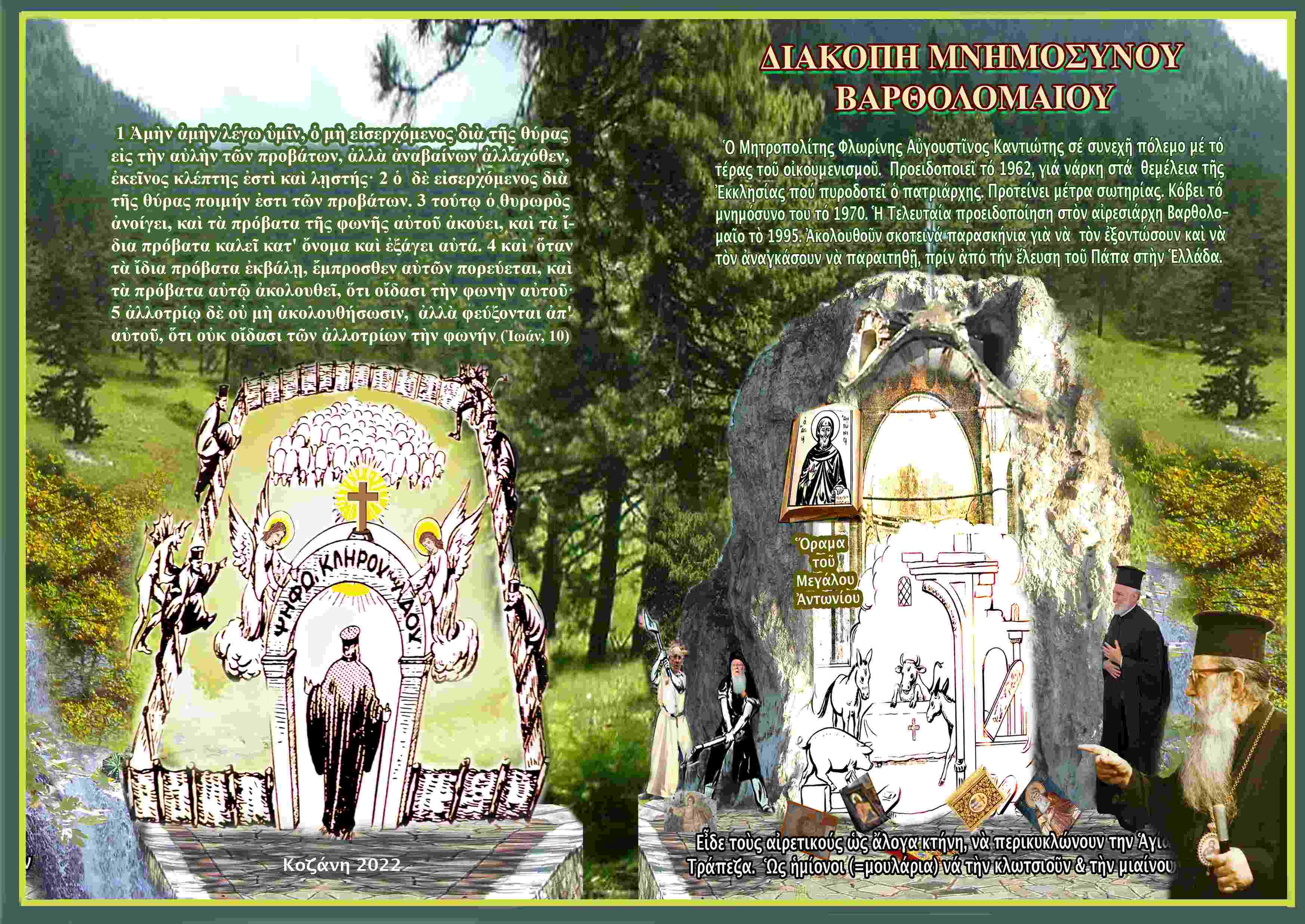

ΠΟΙΑ Η ΑΙΤΙΑ ΤΟΥ ΔΙΩΓΜΟΥ ΤΟΥ ΑΓΙΟΥ ΠΑΝΤΕΛΕΗΜΟΝΟΣ;

author Posted by: episkopos on date Ιουλ 27th, 2010 | filed Filed under: Român (ROYMANIKA), ΟΜΙΛΙΕΣ (απομαγν.), εορτολογιο

Τοῦ ἁγίου Παντελεήμονος
27 Ἰουλίου

Εδιωχθη απο φθονο

«Ηδει γὰρ ὅτι διὰ φθόνον παρέδωκαν αὐτόν» (Ματθ. 27,18)

Ag. Pantel.ΚΑΙ ΠΑΛΙ, ἀγαπητοί μου, τιμοῦμε τὴν ἱερὰ μνήμη τοῦ μεγαλομάρτυρος Παντελεή­μο­­νος. Τὸ θέμα μας θὰ εἶνε τὸ ἐρώτημα· Ποιά ἡ αἰτία τοῦ διωγμοῦ τοῦ ἁγίου Παντελεήμονος; Σ᾿ αὐτὸ θὰ δώσουμε μία σύντομη ἀπάντησι.

* * *

Ὁ ἅγιος Παντελεήμων ἔζησε καὶ ἤθλησε στὴν ἐποχὴ τῶν διωγμῶν, ὅταν στὴ ῾Ρώμη αὐ­τοκράτωρ ἦταν ὁ Διοκλητιανός. Γεν­νήθηκε στὴ Νικομήδεια τῆς Μικρᾶς Ἀσίας. Ὁ πατέρας του ἦταν εἰδωλο­λά­τρης, ἀλλὰ ἡ μητέρα του ἦταν ἀπὸ τὶς γυναῖ­κες ποὺ φύτευαν βαθειὰ στὴν καρδιὰ τῶν παιδιῶν τους τὴν πίστι στὸ Χριστό. Διδά­χθηκε λοιπὸν ὁ ἅγιος Παντελεήμων ἀ­πὸ τὴ μη­τέρα του τὶς ἀλήθειες τῆς πίστεως.
Ἦταν εὐφυής. Εἶχε κλίσι στὰ γράμματα. Σπούδασε τὴν ἰατρικὴ κοντὰ σὲ δι­α­κεκριμέ­νους ἐπιστήμονες. Ἀ­νεδεί­χθη κορυφαῖος ἰατρός. Πολλοὶ ἰατροὶ ὑ­πῆρ­χαν τότε, ὅπως ὑπάρ­χουν καὶ σήμερα. Εἶ­­νε ὅ­μως σπάνιο νὰ βρεθῇ γιατρὸς Χριστιανός. Ὡς ἐπὶ τὸ πλεῖστον εἶνε ἄπιστοι, ὑλισταί. Καὶ νά ᾿ταν καμμιὰ ἀξία; ὁ Θε­ὸς νὰ σᾶς φυ­λάῃ, μὴν πέσετε στὰ χέρια τους.
Ὁ ἅγιος Παντελεήμων διέφερε. Κατὰ τί διέφερε; Διέφερε σὲ τρία σημεῖα.
⃝ Πρῶ­τον ὡς πρὸς τὸ χρῆμα· ἐκεῖνοι ἦταν φι­λάργυροι· ἐκμεταλλεύοντο τοὺς ἀσθενεῖς καὶ θησαύριζαν· ὁ ἅγιος Παντελεήμων ἦταν ἀν­ιδιοτελής, ἰδεολόγος. Ἀσκοῦ­σε τὴν ἐπιστήμη ὡς ἱεραποστολή. Τὸν ἔβλεπαν νὰ ἐπισκέπτεται τὴ νύχτα σὰν ἄγγελος τὶς καλύ­βες. Ἐνῷ οἱ ἄλλοι πήγαιναν μόνο στὰ σπίτια τῶν μεγά­λων, αὐτὸς πήγαινε στὶς φτωχο­συνοικίες καὶ ὑπηρετοῦσε τοὺς ἀσθενεῖς.
⃝ Τὸ δεύτερο στὸ ὁποῖο δι­­έφερε ἀπὸ τοὺς ἄλ­­λους. Ὅπως εἶπε διάσημος Ἕλλην καθηγητὴς τοῦ πανεπιστημίου, οἱ ἰατροὶ συχνὰ ἀ­σκοῦν τὴν ἰατρικὴ ὡς κτηνιατρική· εἶνε κτη­νί­ατροι μᾶλλον παρὰ ἰατροί. Δὲ βλέπουν τί­ποτε ἄλλο παρὰ μόνο φλέβες, κόκκαλα, σάρ­κες, ἱστούς, καρδιές, πνευμό­νια. Ὁ ἄνθρωπος εἶνε καὶ αὐτὰ ἀσφαλῶς· ἀλ­λὰ πίσω ἀπὸ αὐτὰ ὑπάρχει κάτι τὸ ἀόρατο· ὑ­πάρχει ἕνα «μοτεράκι», ποὺ κινεῖ τὴν βιολογι­κὴ – σωματι­κὴ ὕπαρξι τοῦ ἀνθρώπου. Καὶ ὁ γιατρός, ὅ­ταν δὲ «βλέπῃ» τὸ «μοτεράκι» αὐ­τό, εἶνε τυφλός, δὲν εἶνε εἰς θέσιν νὰ ἀσκήσῃ τὸ ἔργο του. Τὸ «μοτεράκι» αὐτὸ εἶνε ὁ ψυχικὸς πα­ρά­γων, ἡ ψυχὴ τοῦ ἀνθρώπου. Πλῆθος πειρά­ματα καὶ παρατηρήσεις ἀπέδειξαν, ὅτι ἡ ψυ­χὴ μὲ τὰ πάθη, τὴν ἐνοχή, τὸ ἄγχος της ἐπιδρᾷ πολὺ στὸ σῶμα. Ὑπάρχει ἀλληλεπί­δρα­σι μεταξὺ σώματος καὶ ψυχῆς. Αὐτὸ ποὺ ψάλ­λει ἡ Ἐκκλησία μας τὸ Δεκαπενταύγουστο εἶ­νε καὶ ἐπιστημονικῶς ἀληθές· «Ἀπὸ τῶν πολλῶν μου ἁμαρτιῶν ἀσθενεῖ τὸ σῶμα, ἀσθε­νεῖ μου καὶ ἡ ψυχή» (Μικρ. Παρακλ. κανών). Καὶ τὰ δύο ἀσθενοῦν· ἀλλὰ ἡ πηγὴ – ἡ ῥίζα τοῦ κακοῦ εἶνε ἡ ἁμαρτία. Ἔκανε λοιπὸν ὁ ἅγιος Παντε­λεήμων τὴν ὀρ­θὴ διάγνωσι· ἔβλεπε ὅτι, ὅταν ἡ ψυχὴ ἀπαλλαγῇ ἀπὸ τὴν ἐνοχή, τὸ σῶμα ζω­ογονεῖται, ὁ ἄνθρωπος ἀναπνέει. Πολλὲς ἀσθέ­νειες (ἀποπληξίες, ἐμφράγματα, καρκίνοι) ἔ­χουν τὴν αἰτία τους στὸν ψυχικὸ κόσμο· κά­ποια πίκρα ἀπὸ τύψεις ἢ ἀπὸ συκοφαντία ἢ διαβολὴ ἢ ἀδι­κία ἢ παραγκωνισμὸ ποτίζουν μὲ φαρμάκι τὸ σῶμα.
⃝ Διέφερε λοιπὸν πρῶτον διότι δὲν ἀπέβλεπε στὸ χρῆμα, δεύτερον διότι ἔβλεπε τὸν ἄν­θρωπο ὡς ψυχοσωματικὴ ὁλότητα, καὶ τρίτον διότι, ἐκτὸς τῶν ἄλλων φαρμάκων ποὺ εἶχαν καὶ οἱ ἄλλοι ἰατροί, ὁ ἅγιος Παντελεήμων διέθετε ἕνα σπάνιο – μοναδικὸ φάρμακο, καὶ αὐ­τὸ ἦταν ἡ πίστις. Πίστευε βαθειά. Γι᾿ αὐτό, μα­ζὶ μὲ τὰ φάρμακα ἀπὸ βότανα τῆς γῆς ποὺ χορη­γοῦσε, γονάτιζε δίπλα στὸ προσκέφαλο τοῦ ἀ­σθενοῦς, προσευχόταν καὶ ―ἂς μὴν πιστεύ­ουν οἱ ἄπιστοι, ἐμεῖς πιστεύουμε― ὁ ἀ­σθε­νὴς ἐ­θεραπεύετο. Καὶ μέχρι σήμερα βλέπουμε τὸ σημεῖο τοῦ σταυροῦ σὲ κλινικές, νοσοκομεῖα καὶ θεραπευτήρια. Εἶνε πράγματι τεραστία ἡ δύναμις τῆς πίστεως, φάρμακο θεραπείας ψυχικῶν καὶ σωματικῶν νοσημάτων.
Αὐτὸς ἦταν ὁ ἅγιος Παντελεήμων. Καὶ γι’ αὐ­τὸ στὸ ἰατρεῖο του σχημάτιζαν κάθε μέρα οὐ­ρὰ οἱ ἀσθενεῖς, ἐνῷ στοὺς ἄλλους γιατροὺς τῆς Νικομηδείας δὲν πήγαιναν πλέον. Αὐτὴ ὅμως ἡ προτίμησις ἄναψε στὶς καρδιὲς τῶν συναδέλφων του τὴν κίτρινη λαμπάδα τοῦ φθό­νου. Τὸν φθόνησαν, τὸν μίσησαν. Ἔβλεπαν ὅ­τι, ὅσο ἦταν αὐτὸς γιατρὸς στὴ Νικομήδεια, αὐτοὶ ἔπρεπε ν᾿ ἀλλάξουν ἐπάγγελμα· ὅλοι ἔτρεχαν στὸν ἅγιο Παντελεήμονα. Καὶ ἀσθενεῖς, ποὺ ἐκεῖνοι τοὺς ἀπήλπιζαν, εὕρισκαν τὴ θεραπεία τους κοντά του. Ἰδού λοιπὸν ἡ αἰτία τοῦ φθόνου. Γι’ αὐτὸ τὸν κατεδίωξαν. Τὸν μή­νυσαν στὶς ἀρχές. Μὲ ποιά κατηγορία, ὡς τί; ὡς φιλάργυρο; ὡς πλεονέκτη; ὡς μοιχό; ὡς πόρνο; ὡς κίναιδο; ὡς ἐγκληματία; Τίποτε ἀ­πὸ αὐτά. Ἐὰν τὸν κατηγοροῦσαν γι᾿ αὐτά, μέ­σα στὸ παρηκμασμένο τότε καθεστώς, θὰ ἀ­πηλλάσ­σετο. Τὸν κατηγόρησαν μὲ μιὰ κατηγορία ποὺ ἔπιανε. Ἔτσι εἶνε, ἀλλάζουν οἱ κατηγορίες γιὰ τοὺς πιστοὺς κατὰ ἐποχή· χρησιμοποι­εῖται ἄλλοτε ἡ ἄλφα, ἄλλοτε ἡ βῆτα, ἄλλοτε ἡ γάμμα κατηγορία. Δὲν θὰ ἐπεκταθῶ ἐπ’ αὐ­τοῦ, νὰ σᾶς παρουσιάσω πῶς, ἀπ’ τὸν καιρὸ ποὺ φτειάσαμε βασίλειο, μὲ διάφορες ψευτο­κατηγορίες, μὲ ταμπέλλες ποὺ κολλοῦν φθονεροὶ στὶς πλάτες ἀξίων ἀνθρώπων, τοὺς ἐξ­οντώνουν ―ἐνῷ κατὰ βάθος δὲν πιστεύ­ουν τὶς κατηγορίες― καὶ πῶς κρίνουν πλέον τοὺς ἀνθρώπους μὲ κριτήρια ὄχι σταθερά (ἠθικά), ἀλλὰ μεταβλητά (πολιτικὰ κ.λπ.).
Τὸν κατηγόρησαν λοιπὸν μὲ τὴν φοβερὰ τότε κατηγορία ὅτι εἶνε Χριστιανός. Καὶ ἔ­φτανε ἡ κατηγορία αὐτὴ νὰ ὁδηγήσῃ τὸν ἄν­θρωπο στὸ ἐκτελεστικὸ ἀπόσπασμα. Συνε­λή­φθη, ὡδηγήθη ἐνώπιον τῶν ἀρχῶν, ὡμο­λόγησε μὲ παρρησία τὴν πίστι του, ὑπεβλήθη σὲ παντοειδῆ μαρτύρια, καὶ ἔτσι ἡ ἁγία του ψυχὴ σὰν ὁλόλευκο περιστέρι πέταξε στὰ οὐ­ράνια σκηνώματα, γιὰ νὰ συναγάλλεται μὲ ἁ­γίους ἀγγέλους καὶ ἀρχαγγέλους.

* * *

Ἰδού, ἀγαπητοί μου ἡ αἰτία τῆς καταδιώξεως καὶ τοῦ μαρτυρίου τοῦ ἁγίου Παντελεή­μονος· ὁ φθόνος.
῎Ω ὁ φθόνος, μεγάλο – ἀ­βυσσαλέο πάθος! Εἶνε σκουλήκι καὶ ἔχιδνα ποὺ κατατρώει τὰ σπλάχνα τοῦ φθονεροῦ, ἀλλὰ εἶνε καὶ ὁ τά­φος μεγάλων ἀνδρῶν. Τρο­μερὰ τ᾿ ἀποτελέ­σματά του. Ἂν ἀνοίξουμε τὴν ἱερὰ ἱστορία, θὰ δοῦμε, ὅτι αὐτὸς ὑπῆρξε ἀρχὴ τῆς καταστροφῆς τοῦ ἀνθρωπίνου γένους. «Φθόνῳ δι­αβόλου», λέει ὁ Σολομῶν, «θάνατος εἰσῆλ­θεν εἰς τὸν κόσμον» (Σ. Σολ. 2,24). Φθόνησε ὁ σατανᾶς τὸ μεγαλεῖο τοῦ ἀνθρώπου, καὶ τὸ φθο­νεῖ. Γιὰ τὸ πρῶτο αἷμα ποὺ χύθηκε πάνω στὴ γῆ αἰτία ἦταν ὁ φθόνος· ὁ Κάϊν φθόνησε τὸν ἀδελφό του Ἄβελ καὶ τὸν ἐφόνευσε «εἰς τὸ πεδίον» (Γέν. 3,8). Ἀπὸ φθόνο ὁ Ἠσαῦ κατεδίωξε τὸν Ἰακώβ (βλ. ἔ.ἀ. 27,41), τὰ ἕντεκα παιδιὰ τοῦ Ἰακὼβ κατεδίωξαν τὸν Ἰωσὴφ τὸν πάγκαλο (βλ. ἔ.ἀ. κεφ. 37ο), ὁ βασιλεὺς Σαοὺλ κατεδίωξε τὸν Δαυΐδ (βλ. Α΄ Βασ. 19,10), καὶ μακρὰ σειρὰ ἁγίων ἀνθρώπων ἐξωντώθηκαν.
Παραδείγματα ἔχουμε καὶ στὴ δική μας ἐ­θνικὴ ἱστορία. Μεγάλοι ἄνδρες ἐξωντώθηκαν, ὅπως ὁ δίκαιος Ἀριστείδης στὴν ἀρχαιότητα, ὁ Σωκράτης ποὺ ἤπιε τὸ κώνειο, στὰ νεώτερα χρόνια ὁ Χαρίλαος Τρικούπης, κ.ἄ..
Ἀλλὰ τί χρειάζονται τὰ ἄλλα παραδείγματα; ῾Ρῖξτε ἕνα βλέμμα στὸ πραιτώριο καὶ στὸ Γολγοθᾶ. «Ποιόν ἀπὸ τοὺς δύο θέλετε ν᾿ ἀ­πο­λύσω», ἐρωτᾷ ὁ Πιλᾶτος, «τὸν Βαραββᾶ ἢ τὸν Ἰησοῦν;». Ὅλοι φωνάζουν· «τὸν Βαραββᾶ». Καὶ ὁ εὐαγγελιστὴς ψυχολογικώτατα σημειώνει· «ᾜδει γάρ», ἐγνώριζε δηλαδὴ ὁ Πι­λᾶ­τος, «ὅτι διὰ φθόνον παρέδωκαν αὐτόν» (Ματθ. 27,18). Ὁ φθόνος τῶν γραμματέων καὶ φα­ρισαίων, ποὺ σὰν πυγολαμπῖδες ἔσβηναν πλέ­ον ἐμπρὸς στὸν ἥλιο-Χριστό, ὡδήγησε τὸν Κύριό μας στὸ Γολγοθᾶ.
Ἔκτοτε, ἀδελφοί μου, εἶνε γενικὸς κανών·  ἂν παρουσιασθῇ κάποιο ἀνάστημα, κάποια φυ­σιογνωμία ἱκανή, ποὺ θὰ πράξῃ τὸ καθῆκον, προκαλεῖ φθόνο καὶ ἐπισύρει διωγμό. Οἱ ἀσή­μαντοι δὲν ἐνοχλοῦν· καταδιώκον­ται ἐκεῖνοι ποὺ προσφέρουν ὠφέλεια καὶ δίνουν ζωὴ γύρω τους. Τὸ εἶπε καὶ ὁ ἀπόστολος Παῦλος· «Πάν­τες οἱ θέλον­τες εὐσεβῶς ζῆν ἐν Χριστῷ Ἰησοῦ διωχθήσονται» (Β´ Τιμ. 3,12)· θὰ διωχθοῦν ὅσοι πιστεύουν στὸ Χριστὸ καὶ ζητοῦν νὰ ζή­σουν μὲ τὶς ἐντολές του. Εἶνε ὁ κλῆρος τους.
Ὅσοι εἶνε ζωντανοί, εἴτε διὰ τοῦ λόγου εἴ­τε διὰ τοῦ παραδείγματος προκαλοῦν σεισμό. Ὁ σεισμὸς ὅμως αὐτὸς εἶνε σωτήριος. Μακά­ριες οἱ κοινωνίες ποὺ ἔχουν τέ­τοιους ἄνδρες, εἴτε στὴν ἐπιστήμη εἴτε στὸ στρατὸ εἴτε στὴν πολιτικὴ εἴτε στὸν ἱερὸ κλῆρο· διότι αὐτοὶ ἀ­ποτελοῦν τοὺς παράγοντας ὀρθῆς ἀγωγῆς.
Προσευχηθῆτε, ἀδελφοί, τὸ νόσημα τοῦ φθό­νου νὰ ἰαθῇ, νὰ ἐκλείψῃ. Καὶ εἴθε ὁ Κύριος διὰ πρεσβειῶν τοῦ ἁγίου Παν­τελεήμονος ν᾿ ἀ­παλ­λά­ξῃ τὶς καρδιὲς ὅλων μας ἀπὸ αὐτὸ καὶ νὰ πορευ­ώμε­θα ἐν ἀρετῇ καὶ ἀγάπῃ πρὸς δόξαν Θεοῦ· ἀμήν.

† ἐπίσκοπος Αὐγουστῖνος

(Oμιλία του μητροπολίτου Φλωρίνης π. Αυγουστίνου Καντιώτου στον ιερό ναὸ του Ἁγίου Παντελεήμονος Φλωρίνης 27-7-1976)

____________________

ΣΤΑ ΡΟΥΜΑΝΙΚΑ

_______________________

Sfântul Mare Mucenic Pantelimon – 27 Iulie

Predica Mitropolitului Augustin de Florina la pomenirea
Sfântului Mare Mucenic Pantelimon
- 27 iulie -

A FOST PRIGONIT DIN INVIDIE


„Căci ştia că din invidie L-au predate lui” (Matei 27,18)

Şi iarăşi, iubiţii mei, cinstim sfânta pomenire a Marelui Mucenic Pantelimon. Tema noastră va fi întrebarea: Care este pricina prigoanei Sfântului Pantelimon? La aceasta vom da un scurt răspuns.

***

Sfântul Pantelimon a trăit şi s-a nevoit în epoca prigoanelor, când la Roma era împărat Diocleţian. S-a născut în Nicomidia, din Asia Mică. Tatăl său era idolatru, iar mama lui era dintre femeile care sădeau adânc în inima copiilor lor credinţa în Hristos. Aşadar, Sfântul Pantelimon a fost învăţat adevărurile credinţei de mama lui.
Era inteligent, binecrescut. Avea înclinaţie spre studiu. A studiat medicina lângă distinşi oameni de ştiinţă. S-a dovedit un medic excepţional. Mulţi medici existau atunci, după cum există şi astăzi. Însă rar se întâmplă să găseşti un medic creştin. Majoritatea sunt necredincioşi, materialişti. Şi măcar de-ar fi valoroşi?… Dumnezeu să vă păzească să nu ajungeţi pe mâinile lor. Sfântul Pantelimon era diferit. Prin ce era diferit? Era diferit în trei puncte.
Mai întâi, în ceea ce priveşte banul. Ceilalţi erau iubitori de arginţi. Profitau de pe urma bolnavilor şi adunau comori. Sfântul Pantelimon era dezinteresat, ideolog. El îşi exercita ştiinţa ca pe o misiune. Îl vedeau noaptea, vizitând colibele ca un înger. Dacă ceilalţi mergeau doar la casele celor mari, el mergea în cartierele sărace şi îi slujea pe cei bolnavi.
Al doilea lucru prin care se deosebea de ceilalţi: Precum a spus un renumit professor universitar elen, medicii, adeseori, exercită medicina ca pe o medicină veterinară; sunt mai degrabă medici veterinari, decât medici. Nu văd nimic altceva decât vene, oase, carne, ţesuturi, inimi, plămâni. Omul este şi asta, cu siguranţă. Dar, în spatele acestora, există ceva nevăzut. Există un “motoraş”, care mişcă existenţa biologico-somatică a omului. Şi doctorul, când nu “vede” acest “motoraş”, este orb, nu este în stare să-şi exercite lucrarea. Acest “motoraş” este un factor sufletesc, sufletul omului. O mulţime de experienţe şi observaţii au demonstrat că sufletul cu patimile, vinovăţia şi anxietatea lui acţionează mult asupra trupului. Există o influenţă reciprocă între trup şi suflet. Ceea ce cântă Biserica noastră în Postul Adormirii este un adevăr şi din punct de vedere ştiinţific: “Pentru păcatele mele cele multe mi se îmbolnăveşte trupul şi slăbeşte sufletul meu”  (Paraclisul Mic). Ambele sunt bolnave. Dar izvorul-rădăcină a răului este păcatul. Aşadar,  Sfântul Pantelimon avea o diagnoză corectă. A înţeles că atunci când sufletul se izbăveşte de vinovăţie, trupul se revigorează, omul respiră. Multe boli (apoplexii, obstrucţii, canceruri) îşi au cauza în lumea psihică, sufletească; vreo amărăciune din remuşcări sau din calomnie, învrăjbire, nedreptate sau înlăturare adapă trupul cu otravă.
Aşadar, s-a deosebit mai întâi pentru că nu se uita la bani. În al doilea rând, pentru că vedea omul ca pe un tot psiho-somatic, iar în al treilea rând, pentru că, în afara celorlalte medicamente, pe care le aveau şi ceilalţi medici, Sfântul Pantelimon dispunea de un medicament rar şi unic, iar acesta era credinţa. Credea profund. De aceea, împreună cu medicamentele din plantele pământului, pe care le dăruia, îngenunchea lângă căpătâiul bolnavului, se ruga şi – să nu creadă necredincioşii, noi credem! – bolnavul se vindeca. Şi astăzi vedem semnul crucii în clinici, bolniţe şi spitale. Şi, într-adevăr, e uriaşă puterea credinţei, un medicament de vindecare pentru bolile trupeşti şi sufleteşti.
Acesta a fost Sfântul Pantelimon. La spitalul său, bolnavii formau în fiecare zi o coadă, în vreme ce la ceilalţi medici din Nicomidia nu se mai ducea nimeni. Însă această preferinţă a aprins în inimile confraţilor săi flacăra galbenă a invidiei. Îl invidiau, îl urau. Îşi dădeau seama că atât cât va fi el medic în Nicomidia, ei ar trebui să-şi schimbe meseria; toţi alergau la Sfântul Pantelimon. Şi bolnavi, pe care ei îi aruncaseră în deznădejde, îşi aflau vindecarea lângă el. Iată, deci, pricina invidiei. De aceea, l-au prigonit. L-au denunţat autorităţilor. Cu ce acuzaţie, ca ce? Ca iubitor de arginţi? Ca lacom de bani? Ca desfrânat? Ca adulter? Ca puşchiu? Ca şi criminal? Nimic din toate acestea. Dacă l-ar fi acuzat de aceste lucruri, în sistemul decăzut de atunci, l-ar fi scăpat. L-au învinuit cu acuzaţii care prindeau. Aşa este, pentru cei credincioşi acuzaţiile se schimbă, după epocă; se foloseşte, uneori, “x”, alteori, “y”, alteori, “z” acuzaţii. Nu mă voi extinde de aici, ca să vă prezint cum, din vremea în care am creat un regat, prin diferite acuzaţii false, prin cozile pe care le lipesc cei invidioşi pe spatele oamenilor vrednici, îi nimicesc – deşi în esenţă ei nu cred acuzaţiile – şi cum îi judecă pe oameni prin criterii neîntemeiate (moral), ci variabile (politic).
Aşadar, l-au denunţat cu acuzaţia, gravă atunci, că este creştin. Şi această acuzaţie era suficientă să-l conducă pe om spre plutonul de execuţie. A fost arestat. A fost dus înaintea autorităţilor, şi-a mărturisit cu îndrăzneală credinţa, a fost supus la tot feluri de chinuri şi, astfel, sfântul lui suflet, ca un porumbel cu totul alb, a zburat în corturile cele cereşti, ca să se bucure împreună cu sfinţii îngeri şi arhangheli.

***

Iată, iubiţii mei, pricina prigonirii şi a muceniciei Sfântului Pantelimon: invidia.
O, invidia, mare, abisală patimă! Este viermele şi vipera care mănâncă cele dinlăuntru ale invidiosului, dar este şi mormântul marilor bărbaţi. Urmările ei sunt groaznice. Dacă vom deschide sfânta istorie, vom vedea că aceasta a fost începutul distrugerii neamului omenesc. “Prin invidia diavolului”, zice Solomon, “moartea a intrat în lume” (Înţelepciunea lui Solomon 2, 24). A invidiat satana măreţia omului şi o invidiază. Pentru primul sânge care a fost vărsat pe pământ, pricină a fost invidia. Cain l-a invidiat pe fratele său, Abel, şi l-a ucis “în câmpie” (Facere 3, 8). Din invidie, Esau l-a prigonit pe Iacov (Facere 27, 41), cei unsprezece copii ai lui Iacov l-au prigonit pe Iosif cel preafrumos (Facere 37), regele Saul l-a prigonit pe David (I Împăraţi 19, 10) şi un lung şir de oameni sfinţi au fost nimiciţi.
Exemple avem şi în istoria noastră naţională. Mari bărbaţi au fost nimiciţi, precum dreptul Aristidis în antichitate, Socrate, care a băut cucută, iar în vremurile mai recente, Harilaos Trikupis şi alţii.
Ce ne trebuie alte exemple? Aruncaţi o privire spre Pretoriu şi Golgota. “Pe care din cei doi vreţi să vi-l eliberez?” – întreabă Pillat – “pe Baraba sau pe Iisus?”. Toţi strigă: “Pe Baraba!”. Şi evanghelistul consemnează profund psihologic: Pilat ştia că, “din invidie L-au dat lui” (Matei 27, 18). Invidia cărturarilor şi fariseilor – care ca nişte licurici s-au stins înaintea soarelui-Hristos – a condus pe Domnul nostru spre Golgota.
De atunci, fraţii mei, este o regulă generală. Dacă va apare vreo statură, vreo persoană capabilă, care îşi face datoria, provoacă invidie şi atrage prigoană. Cei neimportanţi nu deranjează; sunt prigoniţi cei care aduc vreun folos şi dau viaţă în jurul lor. A spus-o şi apostolul Pavel: “Toţi cei ce voiesc să trăiască cucernic întru Hristos Iisus vor fi prigoniţi”(II Timotei 3,12). Vor fi izgoniţi toţi cei care cred în Hristos şi care caută să trăiască potrivit poruncilor Lui. Este soarta lor.
Toţi câţi sunt creştini, fie prin cuvânt, fie prin pildă, provoacă un cutremur. Însă acest cutremur este mântuitor. Fericite societăţile care au astfel de bărbaţi, fie în ştiinţă, fie în armată, fie în politică, fie în sfântul cler, pentru că aceştia constituie factorii educaţiei corecte.
Rugaţi-vă, fraţilor, ca boala invidiei să fie vindecată, să dispară. Şi fie ca Domnul, cu mijlocirile Sfântului Pantelimon, să izbăvească de această boală inimile noastre, ale tuturor, ca să petrecem în virtute şi în dragoste spre slava lui Dumnezeu. Amin.
† Episcopul Augustin
(Sfânta Biserică a Sfântului Pantelimon din Florina,
27-7-1976)
sxed. 3

ΣΚΕΨΕΙΣ ΤΗΣ ΙΣΤΟΣΕΛΙΔΑΣ “ΑΠΟΤΕΙΧΙΣΗ”,

ΣΤΟ ΠΑΡΑΠΑΝΩ ΑΠΟΜΑΓΝΗΤΟΦΩΝΗΜΕΝΟ ΚΗΡΥΓΜΑ
ΤΟΥ ΜΗΤΡΟΠΟΛΙΤΟΥ ΦΛΩΡΙΝΗΣ π. ΑΥΓΟΥΣΤΙΝΟΥ

Διάβαζα σήμερα τον βίο του εορταζομένου αγίου μεγαλομάρτυρος Παντελεήμονος και έκαμα καποιες συνειρμικές σκέψεις και σύνδεσι παραστάσεων.

Είδα ότι ο βίος των αγίων, και πρώτα-πρώτα ο βίος του Παναγίου Κυρίου μας αλλά και όλων των αγίων Του έχουν κάποια ομοιότητα. Λέει σήμερα ο βίος του αγίου Παντελεήμονος ότι ήταν τελείως διαφορετική η ζωή του, από την ζωή των άλλων ιατρών της εποχής του. Ολοι οι άνθρωποι τον ακολουθούσαν αφού τους ενεπνεε η ζωή του και ο λόγος του, και έτσι ανάγκασε τους άλλους επαγγελματίες γιατρούς ή να αυτοκαταργηθούν ή να αλλάξουν πόλι ή επάγγελμα διότι θα χρεωκοπούσαν, αφού δεν πήγαινε κανείς εις αυτούς, δεν τους επισκέπτονταν κανένας. Και μετά από αυτήν την ροή των γεγονότων μπήκε μέσα τους το φοβερό σαράκι του ΦΘΟΝΟΥ και τους κατέτρωγε και τους σαρακότρωγε.Και αυτό το πάθος γιγάντωσε μέσα τους και τους καταπίεζε να τον καταγγείλουν και να ζητήσουν μέχρι και την καταδίκη του σε θάνατο. Ολοι αυτοί οι εχθροί του αγίου, που βρίσκονται σήμερα; Σε ποιά κατάστασι αηδούς μνήμης των επιγενομένων γενεών; Αυτή θά είναι η αέναος κατάστασι και όλων των παρομοίων με αυτούς ΦΘΟΝΕΡΩΝ ανθρώπων της γης. Ο Θεός να μας φυλάξη από το φοβερό, σατανικό αυτό πάθος, το πάθος του Φθόνου.

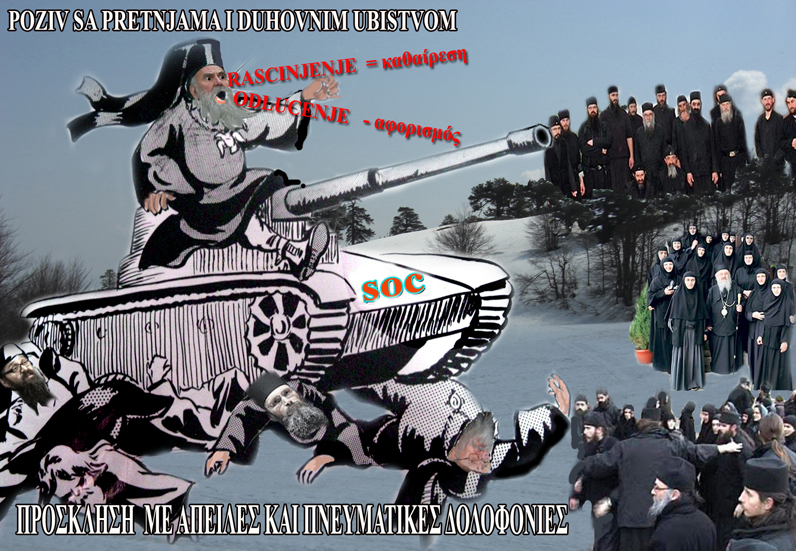
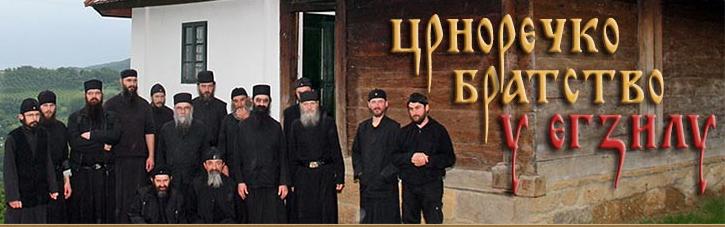
Ο επίσκοπος Αρτέμιος είχε μία διαφορετικήν ζωήν από τους άλλους «παραδελφούς του» που έφερον…ακαδημαϊκούς τίτλους. Του Γιέφτιτς, του Μπούλοβιτς και του Ράντοβιτς. Και οι άνθρωποι προσέτρεχον πίσω από τον «κοντορεβηθούλη» Αρτέμιο, όπως ο κοντορεβηθούλης Ζακχαίος προσέτρεχε σαν διψασμένο ελάφι να ακούση τον Κύριο Ιησού επάνω στην συκομορέα της Ιεριχούς. Και ο επίσκοπος Αρτέμιος αροτρίωνε την γήν την αγαθήν του ποιμνίου του και το προσείλκυε με τον αγνόν και καθαρόν και ορθόδοξον και αυθεντικόν Ιουστίνιον λόγον του και το μετέφερε εις νομάς σωτηρίους.

Και έγινε το φλάμπουρο και η σημαία του λαού του Κοσσόβου και ταύτισαν τον ποιμένα με την τόπο τον άγιο και ιερό. Και από τούδε και στο εξής όταν ακούμε γιά το Κόσσοβο και τα Μετόχια συνειρμικά έρχεται στην σκέψι μας ο αυθεντικός ηγέτης του Κοσσόβου και των Μετοχίων ο καλός επίσκοπος Αρτέμιος.

Και ενώ οι άλλοι με τους αρχιερατικούς και τους …ακαδημαϊκούς τους τίτλους περιήρχοντο την γήν και την οικουμένην και συγκέντρωναν τον θαυμασμό και τα …χειροκροτήματα με τις …κορώνες που πετούσαν, ο σεμνός και αθόρυβος Αρτέμιος καλλιεργούσε βαθειά το χωράφι του. Και η συγκομιδή του ήταν πολλαπλάσια της συνήθους συγκομιδής, δεκαπλάσια, ογδονταπλάσια, εκατοτανταπλάσια και γέμισε το Κόσσοβο και τα Μετόχια με μοναστήρια, με μοναχούς και μοναχές, χάρμα οφθαλμών και δόξα και τιμή και εγκαύχησις της Εκκλησίας της Σερβίας. Και οι άλλοι; Οι άλλοι; Οι λεγόμενοι «παραδελφοί» του; ΕΦΘΟΝΗΣΑΝ ΠΟΛΥ. Και άρχισαν να σχεδιάζουν και να μεθοδεύουν και να βυσσοδομούν εναντίον του αδελφού τους. Διότι αναντίρρητα ΕΦΘΟΝΗΣΑΝ ΠΟΛΥ.

Και κατάφεραν να πάρουν μαζί τους τις αρχές και τις εξουσίες εκκλησιαστικές και πολιτικές εξουσίες και χρησιμοποίησαν «τα όπλα και τα ρόπαλα» γιά να ικανοποιήσουν τον ΦΘΟΝΟΝ ΤΟΥΣ, τον απύθμενον ΦΘΟΝΟΝ ΤΟΥΣ. Και μεθοδευμένα και παράνομα τον «δίκασαν», τον καταδίκασαν και τον εξεδίωξαν και τον εξόρισαν. Αλλά ο κοντορεβηθούλης επίσκοπος, όπου και να πάη, όπου και να σταθή, ο λαός τον αρπάζη και τον σηκώνει ψηλά στα χέρια του και τον θαυμάζει και τον αποθαυμάζει και τον υπεραγαπάει.

Και οι αηδείς κακοί και φθονεροί εχθροί του, η Αντι-ιστουστίνεια Ζηζιουλική τρόϊκα, έχασε τον ύπνο της και συνέχεια τρομοκρατεί και απειλεί και αφρίζει και τους οδόντας τρίζει.

«Το αίμα αυτού εφ’ ημάς και επί τα τέκνα ημών,» εκραύγαζον οι χριστοκτόνοι πρός τον Πιλάτον.

«Επί την κεφαλήν ημών η του Ιωάννου καθαίρεσις», έβεβαίωνον τον αυτοκράτορα Αρκάδιο και την εμπαθεστάτη Ευδοξία η ΦΘΟΝΕΡΗ κάστα των κακουργούντων αρχιερέων της εποχής του.

Η θλιβερά ιστορία επαναλαμβάνεται.

Το ίδιο ζητούν και οι τρείς ΦΘΟΝΕΡΟΙ οργανωτές και διοργανωτές και δημιουργοι και βυσσοδόμοι του επισκόπου Αρτεμίου. Επιθυμία τους μεγάλη, πελωρία και τρανή είναι να εξαφανισθή ο Αρτέμιος από το πρόσωπο της γής, να μετατραπή σε πεταλούδα ο Αρτέμιος, να χαθή και να αφανισθή στον ορίζοντα ο Αρτέμιος, για να μην τον βλέπουν τελείως και να μην τον ακούν. Το σαράκι της εμπαθείας και του ΦΘΟΝΟΥ , τους κατατρώει τα σωθικά όπως ο γυπαετός τον Προμηθέα Δεσμώτη. Ο Φθόνος τους ξεπέρασε τα σύνορα και έφθασε και μέχρις ημών και κατακυρίευσε τα πέρατα της γής και της οικουμένης.

Εκκληση των μοναχων του Κοσοβου προς τον πατριαρχη

author Posted by: episkopos on date Ιουλ 27th, 2010 | filed Filed under: EKKΛΗΣΙΑΣΤΙΚΕΣ ΕΙΔΗΣΕΙΣ

46 ΜΟΝΑΧΟΙ ΚΑΙ 33 ΜΟΝΑΧΕΣ ΑΠΟ 16 ΜΟΝΑΣΤΗΡΙΑ

ΤΟΥ ΚΟΣΟΒΟΥ ΚΑΙ ΤΩΝ ΜΕΤΟΧΙΩΝ

monaski sabor 1998Καλούν τον Πατριάρχη να συγκαλέσει έκτακτη συνεδρίαση της Ιεραρχίας ώστε να αλλάξει η απόφαση για απομάκρυνση του Σεβ. Αρτεμίου και να τον γυρίσει πίσω.
Και οι ίδιοι θα γυρίσουν πίσω στα μοναστήρια τους μόνο στην περίπτωση που ο Πατέρας τους ο Σεβ. Αρτέμιος θα επιστρέψει στην έδρα του.
Οι μοναχοί εξέφρασαν την χαρά τους για την απόφαση του Αρείου Πάγου για την μη έκδωση του π. Συμεών στην Σερβία, στυλιτεύοντας την δήλωση του Πατριάρχου Ειρηναίου, που είπε, ότι· «μάλλον έγινε κάποια παρέμβαση» στον Άρειο Πάγο.
Οι μοναχοί επίσης αποθούν κάθε έννοια σχίσματος για το οποίο κατηγορούνται.
Ως αίτιο πλεκτάνης η οποία έφερε την απομάκρυνση του Σεβασμιωτάτου αναφέρουν τον πρώην Ερτζεγοβίνης Αθανάσιο Γιέβτιτς και την διοίκηση της μονής Ντέτσανι τ.ε. τον βοηθό Επίσκοπο Θεοδόσιο και τον βοηθό του π. Σάββα Γιάνιτς.
Την κοινή δήλωση την υπέγραψαν και μοναχοί που δεν έχουνε φύγει ακόμα από την Μητρόπολη, αλλά επιθυμούν την επιστροφή του σεβασμιωτάτου Αρτέμιου.

  • (Αιτία όλης της πλεκτάνης εναντίον του Μητροπολίτου Αρτεμίου είναι ο φθόνος. Και αιτία του φθόνου είναι· 1) η πνευματική καρποφορία του επισκόπου Αρτεμίου. Τα 2/3 των μοναχών ολόκληρης της Σερβίας ανήκουν στην δική του Μητρόπολη. Όσο για τον «βοηθό» του τον επίσκοπο Θεοδόσιο, δεν τον επέλεξε ο ίδιος ο Μητροπολίτης Αρτέμιος, αλλά οι διώκτες του! Τον έστειλαν κοντά του, για να του δημιουργεί προβλήματα! Εκεί φθάνει ο φθόνος των αρχιερέων· Και 2) είναι οι πιέσεις της Αμερικής και του ΝΑΤΟ, που έγιναν αφεντικά σε ξένον τόπο. Το μόνο ισχυρό εμπόδιο για την ανεξαρτησία του Κοσόβου ήταν ο Μητροπολίτη Αρτέμιος, γι’ αυτό και συνεχάρηκαν την εκκλησιαστική ηγεσία, για την απομάκρυνση του).

Περισσότερα για την κοινή δήλωση των μοναχών, διαβάστε στα Σέρβικα στην ιστοσελίδα·

www.mancr.org


ЈАВНИ АПЕЛ МОНАШТВА РАШКОПРИЗРЕНСКЕ ЕПАРХИЈЕ

понедељак, 26 јул 2010 12:07

ЈАВНИ АПЕЛ МОНАШТВА РАШКОПРИЗРЕНСКЕ ЕПАРХИЈЕ


Ми, долепотписани свештеномонаси, јерођакони, монаси, монахиње, искушеници и искушенице манастира богоспасаване Епархије рашкопризренске осећамо потребу да се поново и јавно обратимо свеукупној српској јавности, како Његовој Светости, Патријарху Иринеју и тренутном Администратору Епархије рашкопризренске, Митрополиту Амфилохију, тако  и свим Оцима Архијерејима СПЦ, све до оног последњег верника наше Свете Цркве, у које нека бисмо и ми, као последњи, били убројани.

Са радошћу смо примили вест да је Врховни суд Републике Грчке – Ареопаг, пустио на слободу о. Симеона Виловског, увидевши да за пласиране и монтиране оптужбе против њега нема никаквих доказа. У нашој јавности се то покушало тенденциозно, а нетачно, објаснити на разне начине, од тога да је пуштен уз кауцију, да је пуштен на основу лажног сведочења Еп. Артемија, преко тога да је, скандалозно потирући сваку веру у неовисност судског система у Грчкој (па је таква изјава дотурена и потурена и Његовој Светости, Патријарху) »вероватно у питању нека интервенција».

Но, како било, док се у Србији уз повике на једну страну: Држ’те лопова! обављао сасвим други посао (уклањање са епископске катедре Епископа Артемија), уз непримерено упадање у просторије Епархије рашкопризренске, обијање брава и пробијање врата, распиривање немира, подела и раздора, запаљивих говора, беседа и клевета, грчки Врховни суд је мудро и мирно донео своју, верујемо, не сумњајући у непристрасност и неутралност грчког судства, поштену и правичну одлуку.

У међувремену је велики део монаштва рашкопризренске епархије, не могући се помирити са неправедним одлукама, поготово оне, да им се владика Артемије декретом одузме и изузме, отме као духовни отац, одлучио на тешко и болно напуштање своје епархије, својих манастира. Они преостали, од којих многи хтедоше да иду још месецима раније, остадоше, многи притиснути претњама и страхом, са болом у души, молећи се, чекајући и ишчекивајући повратак вољеног пастира.

Све то време, избегло монаштво је са разних страна, а  поготово од Епископа бившег захумско-херцеговачког Атанасија, било »човекољубиво» и »пастирски» чашћено разним именима и епитетима: »парасинагога Артемијева, Артемити, псевдозилоти, зурлоти, дрвени адвокати, епигони, расколници, цркворушитељи“, (и многим другим, непобројаним и небројивим). Ми смо се, пак, трудили, по сили својих моћи да испунимо Господњу заповест и да се молимо за оне што нас вређају и гоне и да благосиљамо оне што нас куну (ср. Мт, 5:44), јер нам је истинска жеља била и остала да будемо синови Оца Небескога и верна чада Светосавске нам Мајке Цркве, из које, очигледно, покушавају да нас прогнају и истерају, пласирајући приче о наводном »расколу» и »расколницима», са нама чудним, а Еванђељу и Цркви противним тоном прижељкивања истог.

А раскола није било и нема га (а ако Бог да, неће га ни бити) не само на делу, него ни у примисли, никога од нас, јер нас је тако учио наш Авва, а он учио, и научио од свога Авве, затворника, ангела и благовесника  Ћелијског.

У светлу ових најновијих дешавања, пуштања, услед непостојања доказа,  на слободу о. Симеона Виловског, као и позива Њ. Преосвештенства, оца нашег, Епископа Артемија, да се вратимо у своје матичне манастире пострига и покајања, смирено, но искрено и одговорно изјављујемо да смо спремни то истог часа прихватити и вратити се на распето Косово и Метохију и у Рашку област, да чувамо, Светим Тајнама и Светим Врлинама, постом и молитвом, бивствовањем и остајањем, светиње које су нам поверене, како нас је и чему  нас је, годинама, а неке и деценијама учио Преосвећени владика Артемије. На све то у потпуности смо спремни  уколико Пастири наше Свете Цркве смогну храбрости и снаге да, пажљиво и одговорно преиспитавши одлуку о смени и прогону епископа Артемија,  (као последицу неоснованих оптужби на његов рачун), икономијски преиначе исту, како би нама омогућили миран повратак, у циљу потпуног поштовања молбе САСинода као и нашег духовног оца да се вратимо у ЕРП, следујући, како и у позиву пише,  »духу Светих Отаца и Подвижника», који су пожртвовано свагда истрајавали на тешком путу одбране истине и правде Божије, не пристајући на супротно.

Да оваквим захтевом не правимо преседан и не тражимо ништа страно, непримерено и противно  САСабору и саборности наше Цркве говоре нам и речи светог Јустина Ћелијског, којег Оци Архијереји ове године једногласно уврстише у диптихе светих, потврђујући тако његову аутентичност и богонадахнуст његовог богословља: „Све пак ово (мисли на синтагму «човекољубивије неке одлуке», као што каже, на пример, пети канон Св. Првог Васељенског Сабора) говорили су, и тако поступали, свети Епископи Цркве Божје не што нису веровали у непогрешивост Цркве Христа Богочовека, напротив, у питањима вере и догмата они су свагда били неотступни и непопустљиви чувари светог Апостолског Предања и, силом Духа Светога, непогрешиви тумачи његови.

Међутим, Свети Оци су тако поступали што су као Епископи и Пастири Цркве Христове знали да се ради црквене користи, – а то може да буде само спасење људи у Цркви, у Христу – може преиспитати и «икономијски» преиначити чак и правилно донета ранија одлука, а камоли одлуке које су дале повода или и изазвале веће немире и нереде него ред који су у почетку хтеле да заведу. То су управо Свети Оци и називали црквеном икономијом (εκκλησιαστική οικονομία), а исту називали «одличним и премудрим средством» (Св. Кирил Александријски, Писмо 72) и «леком» за болна места и ране на црквеном организму.“ Једино ће нам на овај начин бити омогућен повратак који неће бити противан нашој савести.

У том смислу синовски и коленопреклоно позивамо Његову Светост, Патријарха Иринеја, Високопреосвећене и Преосвећене саборске оце Архијереје да, после ових најновијих дешавања, и све очигледније и видљивије намештености процеса против Владике Артемија, у што скоријем року, сазивањем ванредног Архијерејског Сабора, исправе велику неправду свргавања Епископа рашикопризренског са његовог досадашњег вишедеценијског трона. Знамо да ни Његова Светост, нити многобројни Оци Архијереји нису деловали из злонамерности или пакости, већ на основу лажи, клевета и инсинуација, потеклих првенствено од Епископа бившег захумско-херцеговачког Атанасија (који се ни ових дана у томе не зауставља, него, међу многобројним клеветама, тврди, авај, уз гомилу многих других клевета, како наше монаштво купује у Срему куће од, ваљда, опљачканог сиротињског новца), и управе манастира Високи Дечани (викарног Епископа Теодосија и протосинђела Саве Јањића), главних виновника ове умишљене и измишљене, лажне и лажиране, а ничим поткрепљене, кампање, која дубоко потреса нашу Цркву, претећи да уколико се не залечи правдом и правицом на Телу Цркве остане као незарасла рана.

Повратком Епископа Артемија, Свештеноначалије наше  Свете Цркве би само отворило двери онога што од нас захтева, тј. да се вратимо у наше манастире, а пре свега би свима, а посебно светским моћницима, показало, да заиста у христоводећој црквеној политици наше Светосавске Цркве није дошло ни до каквог умекшавања и промене става и курса према Косову и Метохији, како већ најави Питер Фејт, а како би то они здушно желели, и како, славодобитно, на својим »совјетима» најављују), већ да сви, удруженим и једномисленим снагама и даље, Светом Тројицом вођени, Оцем крепљени, Христом сабрани, а Светодуховски љубећи један другога, не само чувамо то свето, распето косовско парче неба на земљи, него да и у вечности сви будемо причасници неприступне тајне Живота Вечнога.

Овом апелу избеглог монаштва придружујемо се и ми, остало монаштво манастира Рашкопризренске епархије, које и даље у својим манастирима пребива, очекујући повратак наше браће и сестара у своје манастире наше богоспасаване Епархије, али пре свега хотећи и смирено и коленопреклоно молећи Његову Светост и Оце Архијереје да учине све да нам се врати, на своју катедру и у своју Епархију, недужно прогнани отац, Епископ Артемије.

СПИСАК МОНАШТВА-ПОТПИСНИКА АПЕЛА (79 браће и сестара из 16 манастира)

(Υπογράφουν την δήλωσοι 79 μοναχοί, από 16 μοναστήρια του Κοσόβου και των Μετοχίων)

Манастир Црна Река

(Μοναστήρι Манастир)

1. протосинђел Николај Николић
2. јеромонах Наум Мирковић
3. јеромонах Дамаскин Вацић
4. јеромонах Висарион Шуловић
5. јеромонах Иринеј Ристић
6. монах Антоније Маринковић
7. монах Климент Недељковић
8. монах Рафаило Пејчић
9. монах Кипријан Кељевић
10. монах Јоасаф Лојић
11. монах Харитон Влаић
11. искушеник Јован Банков
12. искушеник Дејан Стојановић
13. искушеник Дејан Матијашевић
14. искушеник Драган Младеновић
15. искушеник Александар Стопа
16. искушеник Јован Ердељан
17. искушеник  Александар Козулин
18. искушеник Јован Банков
19. искушеник Марко Трајковић

Манастир Бањска

1. јеромонах Агапит Бичанин
2. јеромонах Пимен Дејановић
3. монах Леонтије Кантар

Манастир Сопоћани

1. јеромонах Доситеј Вукосављевић
2. јеромонах Максим Новаковић
3. монах Пајсије Марковић
4. искушеник Оливер Ђурђев
5. искушеник Дејан Макић

Манастир Свети Архангели

1. јеромонах Бенедикт Прерадовић
2. јеромонах Ксенофонт Томашевић
3. јеромонах Јован Милојевић
4. јерођакон Прохор Ацковић
5. монах Мелхиседек Миљковић
6. монах Владимир Милић

Манастир Девине Воде

1. јеромонах Роман Папић
2. јерођакон Павле Дрековић
3. искушеник Бобан Весић
4. искушеник Александар Мартиновић

Манастир Богородица Браинска

1. протосинђел Варнава Димитријевић
2. јеромонах Јован Узелац
3. искушеник Славко Мирковић

Манастир Дубоки Поток

1. јерођакон Јаков Купрешак
2. монах Платон Бабић
3. искушеник Миле Василић

Манастир Зочиште

1.  Протосинђел Стефан Миленковић
2. Јерођакон Мартинијан
3. Монах Дионисије Сујић

Манастир Сочаница

1. јеромонах Евтимије Милентијевић

Манастир Светог Јована – Велика Хоча

1. Протосинђел Мирон Косаћ
2. Синђел Алексеј
3. Монах Давид
4. Искушеник Ђорђе

Манастир Драганац

1. Јеромонах Кирило Ђурковић
2. Јеромонах Игњатије
3. Искушеник Ђорђе Талић

Манастир Ђурђеви Ступови

1. монах Козма Арсеновић

Манастир Грачаница

(Μοναχές)

1.   монахиња Филотеја Микулек
2.   монахиња Пелагија Станић
3.   монахиња Јована Јеремић
4.   монахиња Варвара Станкић
5.   монахиња Марта Лисинац
6.   монахиња Јерусалима Филиповић
7.   искушеница Митра Андрејевић
8.   искушеница Ирена Симић
9.  искушеница Биљана Чанади
10. искушеница Зорица Ивановић
11. искушеница Радојка Јанковић
12. искушеница Мирослава Савковић

Манастир Св. Петке – Улије

1. Настојатељица монахиња Злата

Манастир Гориоч

1. монахиња Антуса Маринковић
2. монахиња Олимпијада Маринковић

Манастир Кончул

1.  монахиња  Сара Мосур
2.  монахиња Митродора Јовичић
3.  монахиња Варвара Тишма
4.  монахиња Исидора Рајковић
5.  монахиња Домна Здравковић
6.  монахиња Марија Гегић
7.  искушеница Маријана Ђурић
8.  искушеница Мирјана Мартиновић

ΕΚΚΛΗΣΙΑΣΤΙΚΕΣ ΕΙΔΗΣΕΙΣ ΑΠΟ ΣΕΡΒΙΑ (Συνεντευξη Τυπου)

author Posted by: episkopos on date Ιουλ 26th, 2010 | filed Filed under: EKKΛΗΣΙΑΣΤΙΚΕΣ ΕΙΔΗΣΕΙΣ

Συνεντευξη Τυπου στο Κεντρο Πολυμεσων


("www.mc.rs")oca_Simeona_1726/7/2010 Συνέντευξη Τύπου στο Κέντρο Πολυμέσων  για την απόφαση του Ανωτάτου Δικαστηρίου της Ελλάδος στην υπόθεση του ιερέα Συμεών (Vilovskog) και την κατάσταση της Σερβικής Ορθόδοξης Εκκλησίας
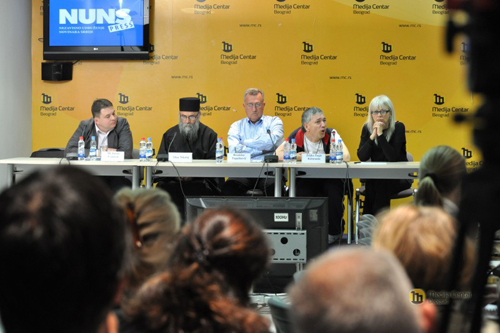
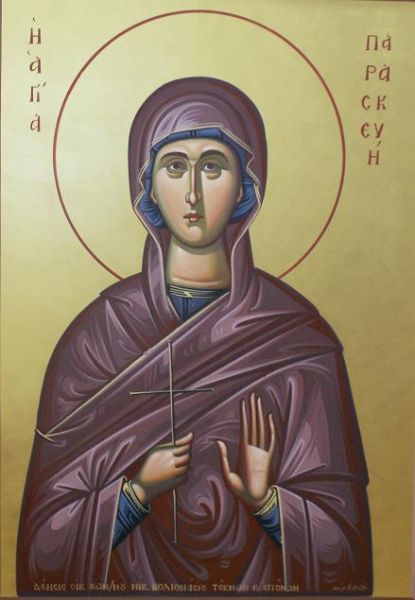
Σημερα, 26/7/2010, 12:00, Terazije 3, II όροφος, Great Hall

Δόθηκε η συνέντευξη Τύπου στο Κέντρο Πολυμέσων

Ομιλητές ήταν·

("www.mc.rs")Simeona_21

1) Branislav Tapušković, δικηγόρος του π. Συμεών
2) Ο πατέρας Νικόλαος, ηγούμενος του μοναστηριού Black River ERPKIM
3) Ο Ζέλικο Žugić Kotor δεξιά., ένας εμπειρογνώμονας στο εκκλησιαστικό δίκαιο.
4) Ζόραν Čvorović, επίκουρος καθηγητής στη Νομική Σχολή του Kragujevac

Σκοπός της συνεντεύξεως ήταν·
α) Η ενημέρωση του Σέρβικου λαού για την χαώδη εκκλησιαστική κατάσταση στην Σερβία και τις αντιφάσεις των επισκόπων της.
β) Η καταπάτηση των ιερών κανόνων και η συνταγματική τάξη στην Επισκοπή Raska-Πρίζρεν.
γ) Οι ψευδείς και συκοφαντικές επιθέσεις κατά του π. Σιμεών (Vilovskog), και κατ’ επέκταση του επίσκοπου Αρτέμιου, που ξεκαθάρισαν με την απόφαση του Ανωτάτου Δικαστηρίου της Ελλάδος, τον Άρειο Πάγο.
Ο Άρειος Πάγος απεφάνθη ότι ο π. Συμεών (Vilovskog)  διώκεται (όχι για κλοπές, όπως διέδιδαν ψευδώς επίσκοποι της Σερβικής Εκκλησίας και μ’ αυτή την δικαιολογία έπαυσαν τον επίσκοπο Αρτέμιο από τα καθήκοντά του και τον εξόρισαν προς το βόρειο μέρος της Σερβίας, αλλά), για πολιτικούς και θρησκευτικούς λόγους. Γι’ αυτό και ο Άρειος Πάγος δεν έκανε δεκτή την αίτηση της Σερβικης Κυβερνήσεως να εκδώσει τον π. Συμεών στην Σερβία, αλλά τον άφησε ελεύθερο στην Ελλάδα.

δ) Η συνέντευξη τύπου είχε και έναν άλλο σκοπό, να  μάθει ο Σέρβικος λαός τους λόγους που οδήγησαν στη μετανάστευση των μοναχών και μοναζουσών του Κοσσυφοπεδίου και των Μετοχίων από τa μοναστήριa τους προς αναζήτηση του επισκόπου και πνευματικού τους πατέρα Artemije που εκτοπισθηκε από την επισκοπή του.

Περισσότερα μπορείτε να μάθετε από τις Σέρβικες ιστοσελίδες

1) www.mancr.org

2) www.ihtus.us (Συνέντευξη Τύπου στο Media Center)

3) www.Novimar de (Grčke sudije otkrile prevaru)

4) www.borbazaveru (Εφημερίδες υποβολή εκθέσεων σχετικά με  την συνέντευξη τύπου στο Media Center)

5) http://www.danas.rs/danasrs/drustvo/pravnici_ukazuju_na_politicku_pozadinu.55.html?news_id=195845 ).

6) http://www.novosti.rs/vesti/naslovna/aktuelno.69.html:293976-Trazi-prava-za-monaha

7) http://www.glas-javnosti.rs/clanak/drustvo/glas-javnosti-27-07-2010/monasi-vracamo-se-na-kosovo-ako-poniste-smenu-vladike

8) http://www.b92.net/info/vesti/index.php?yyyy=2010&mm=07&dd=26&nav_category=11&nav_id=447971

9) http://www.blic.rs/Vesti/Drustvo/200082/Monasi-Vraticemo-se-na-Kosovo-ako-se-ponisti-smena-Artemija

10) Και από πολλές άλλες Σέρβικες ιστοσελιδες

Η συνέντευξη είχε μεγάλη αποδοχή απ’ όλα τα μέσα μαζικής ενημερώσεως της Σερβίας.